

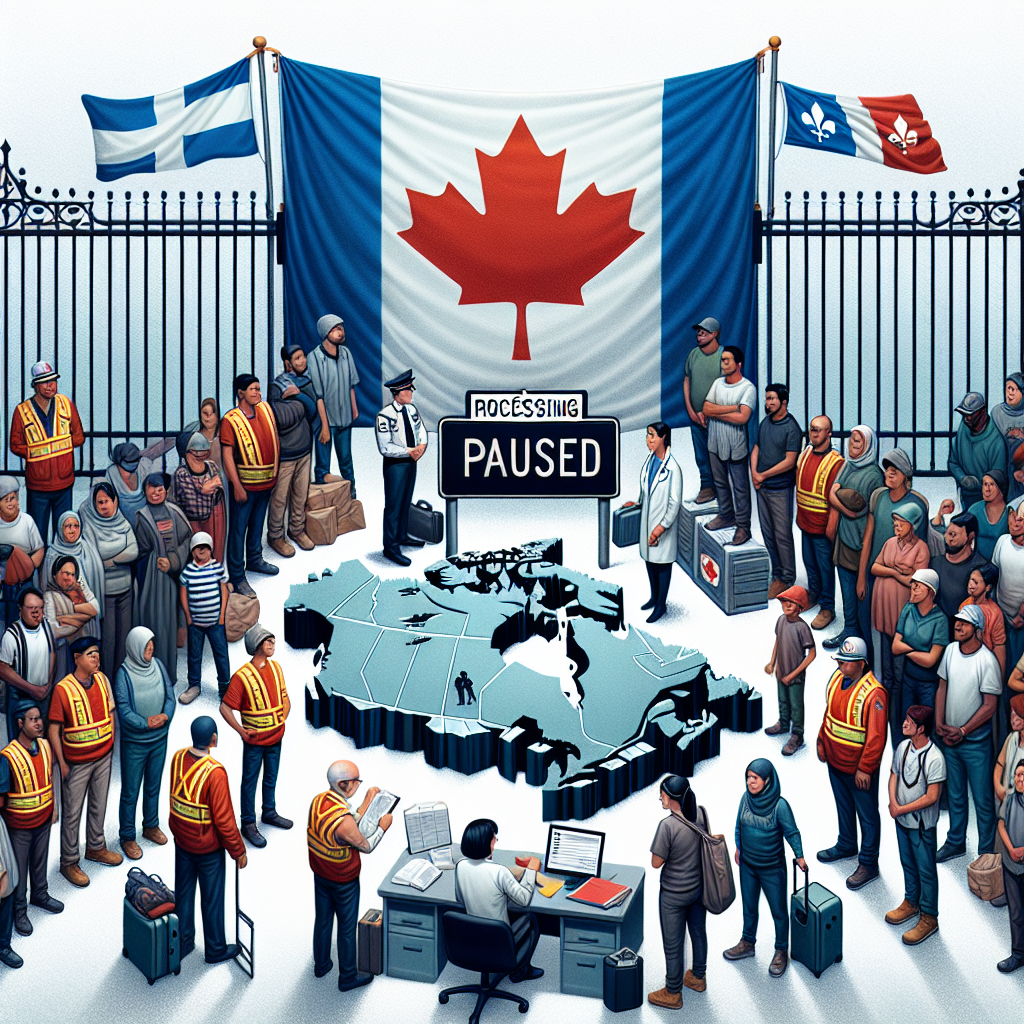
Canada’s immigration system is always evolving, and workers hoping to find job opportunities in Quebec just hit a new speed bump. If you’ve been keeping an eye on temporary work permits, especially under the Temporary Foreign Worker Program (TFWP), you might want to pay attention to this recent change. Quebec has once again extended its freeze on processing certain work permit applications—specifically those in the low-wage stream.
If you’re wondering what all this means or how it could affect you, you’re not alone. Let’s break it down so it’s easier to understand.
What’s Happening with Quebec’s TFWP Applications?
As of November 8, 2025, Quebec continues to block the federal government from processing Labour Market Impact Assessments (LMIAs) for the low-wage stream of the TFWP. This freeze has been in place since late July and now, it’s been extended further without an immediate end date in sight.
What’s an LMIA, you ask? Great question. An LMIA is a document employers in Canada need to get approved by the government to hire a foreign worker. It’s basically the government saying, “Yes, this employer really does need someone from outside the country because there’s no one here to do the job.”
Why the Freeze?
Quebec’s Minister of Labour, Jean Boulet, has said the temporary suspension is meant to give Quebec a chance to “review and improve” the way the program works. In simpler terms, the province wants to make sure the program is running smoothly and that both foreign workers and Quebec residents are treated fairly.
Another big reason? Quebec is emphasizing the need to protect workers from exploitation and abuse. There have been past reports of unfair treatment and unsafe working conditions, especially in low-wage jobs like agriculture, manufacturing, and service industries.
By putting a pause on the program, Quebec hopes to reorganize and ensure stronger worker protections and better oversight for employers.
Who Is Affected by This Decision?
Unfortunately, a lot of people are feeling the impact:
- Employers: Businesses that rely on international workers for low-wage roles are struggling to find enough staff. This is especially true in sectors like food processing, hospitality, and construction.
- Foreign Workers: People hoping to work in Quebec under the TFWP’s low-wage stream now face uncertainty. These workers often take jobs that are crucial to keeping industries running.
- Quebec Economy: Labor shortages are already a concern, and freezing access to foreign labor adds even more pressure.
One small bakery owner in Laval shared recently how hard it’s been to keep operations going. “We just don’t have enough hands on deck,” they said. “We were counting on a few temporary workers to join our team this fall. Now, we’re stuck.”
What Is Exempt from the Freeze?
Luckily, not every part of the TFWP is affected. If you’ve already submitted a complete LMIA application before July 27, 2025—good news! That application will still be processed as usual. Also:
- High-wage applications under the TFWP are not affected.
- Certain in-home caregiver programs continue to be processed.
- Jobs listed under the Global Talent Stream, which targets high-demand skills, are still being considered.
Confused about the difference between high-wage and low-wage streams? Don’t worry—it’s basically based on the average wage in a province. If a job pays more than that average, it’s considered high-wage. If it pays less, it’s low-wage.
What About Other Immigration Streams?
Some people have asked whether this means Quebec is against immigration. That’s not the case at all. In fact, the province supports bringing in foreign workers—but wants to do it in a way that ensures worker rights and job quality.
Quebec still supports its unique immigration pathways, and permanent immigration programs remain active. The province is simply taking a pause to re-evaluate a portion of the temporary foreign worker system that has raised red flags in recent months.
Could This Happen in Other Provinces?
So far, this specific freeze is unique to Quebec. However, labor rights activists and government officials in other provinces are watching closely. If Quebec sees improvements in worker treatment and program management, we might see similar reviews pop up elsewhere in Canada.
It brings up a bigger question: How do we balance the need for labor with the need to protect vulnerable workers?
What Should Employers and Workers Do Next?
If you’re an employer in Quebec who was planning to hire someone under the low-wage TFWP stream, you’ll need to explore other hiring options for now. This might mean:
- Focusing more on local recruitment
- Looking into Quebec’s provincial immigration programs
- Exploring the high-wage stream or Global Talent Stream (if applicable)
As for workers hoping to come to Quebec, this news can be disheartening. However, it’s not the end of the road. You might want to explore other parts of Canada, other immigration streams, or stay updated in case Quebec lifts the freeze in the coming months.
Final Thoughts: What’s Next for Quebec’s TFWP?
Quebec’s decision to extend the freeze on low-wage TFWP applications may be frustrating in the short term, but it could lead to better working conditions and more fairness in the system. While no official date has been set to reopen applications, the government says it’s committed to improving the program.
In the meantime, keeping informed is key. Whether you’re an employer, job seeker, or just someone following Canada’s immigration policies, it’s important to monitor updates closely. Immigration programs like the TFWP are a vital part of Canada’s workforce strategy—and they’re likely to keep changing as we move into 2026 and beyond.
Think you might be affected? It’s a good idea to speak to an immigration consultant or legal advisor who can guide you based on your specific situation. And of course—stay tuned for further updates as Quebec continues to refine its approach to hiring foreign workers.