

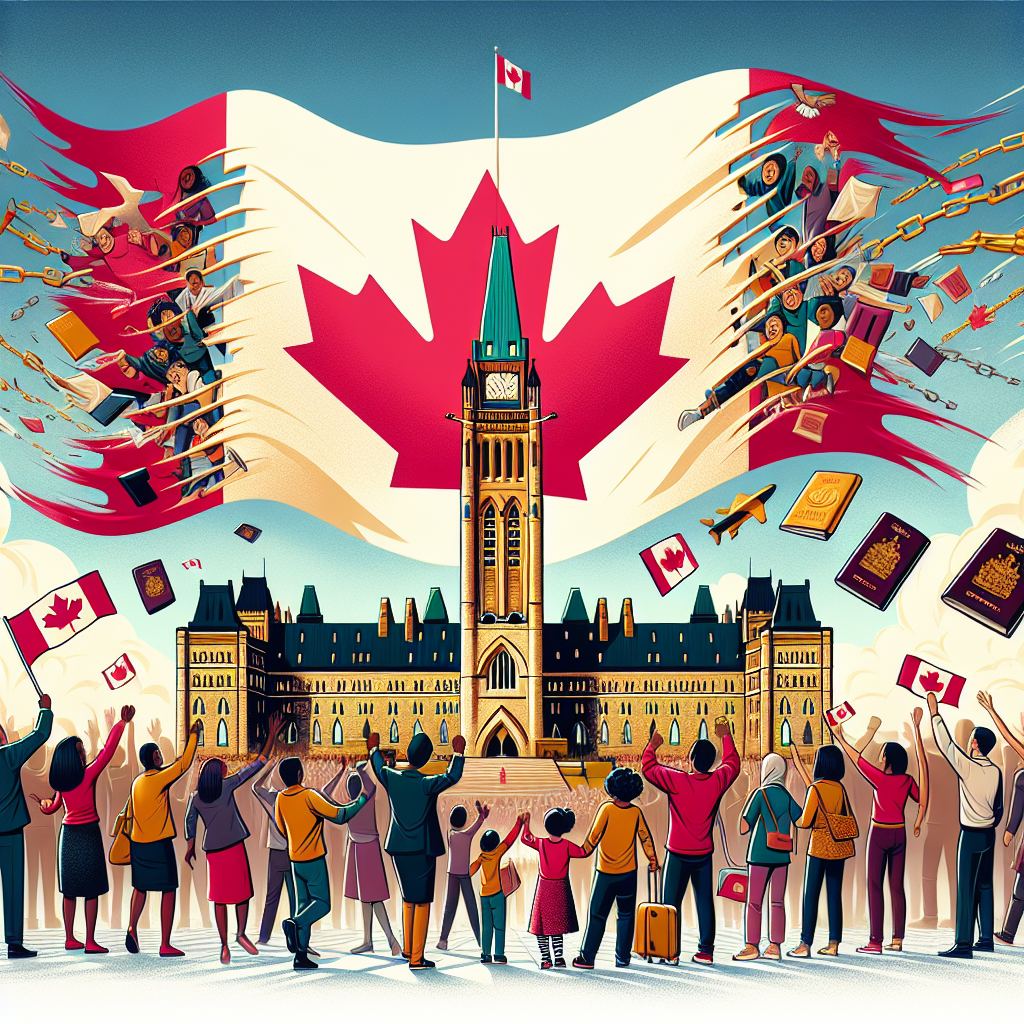
Canadian House of Commons Rejects Proposed Citizenship Restrictions
Big news for hopeful immigrants and long-time residents in Canada — a recent decision in the House of Commons just made it easier to become a Canadian citizen. On November 8, Members of Parliament overwhelmingly voted down parts of Bill S-210, a controversial proposal that would have added new barriers to citizenship.
This decision matters not only for newcomers but also for those who value fairness and inclusion in Canada’s immigration process. So, what exactly was the proposal, and why was it rejected? Let’s break it down.
What Was Bill S-210 All About?
Bill S-210, originally introduced in the Senate, aimed to change the rules for Canadian citizenship. One part of the bill proposed stricter criteria for granting citizenship by birth. The goal, according to its supporters, was to prevent so-called “birth tourism”—when non-residents travel to Canada to give birth so their child automatically becomes a Canadian citizen.
However, the proposal didn’t stop there. It also included revisions that would potentially take away citizenship from those born in Canada if their parents weren’t citizens or permanent residents at the time of birth.
This raised serious concerns. Critics argued that the bill would unfairly penalize innocent children for decisions they had no control over. It also risked creating a two-tiered citizenship system, which many saw as being against what Canada stands for — fairness, inclusivity, and equal opportunity.
Why Did MPs Vote Against the Restrictions?
The response in the House of Commons was clear. Across party lines, MPs voiced their opposition to these proposed restrictions, especially the part about revoking automatic citizenship rights for people born in Canada. The result? An overwhelming vote to remove that controversial section of the bill.
Here’s why many MPs were against it:
- Potential to strip rights: The bill could have led to some people losing their Canadian citizenship just because their parents lacked certain immigration status at the time of their birth.
- Legal and logistical confusion: Implementing and enforcing such rules would require tracking the legal status of every parent — a potentially massive and expensive task.
- Violation of Canadian values: Canada has long upheld jus soli (right of the soil) principles — meaning anyone born in the country automatically gains citizenship. Many felt the bill undermined these values.
In summary, MPs felt that passing this bill would hurt more people than it would help.
Protecting Citizenship Rights for Future Generations
This vote is a major win for children born in Canada. If the bill had passed in full, thousands of families could’ve faced uncertainty and stress, fearing their children might lose citizenship due to rules they never even knew existed.
For example, imagine a young couple who moved to Canada for school. Their child is born here, grows up here, and only knows Canada as home. Under the proposed rules, that child’s citizenship could have been questioned — just because mom and dad were still on student visas. That scenario wouldn’t just be confusing. It could be heartbreaking.
Instead, Canada reaffirmed a long-standing tradition. If you’re born on Canadian soil, you’re Canadian. Period.
What Does This Mean for Newcomers and Immigration in Canada?
This decision sends a strong message: Canada remains open, fair, and supportive of immigrants and their families. While the country does take steps to address abuses of the system — like birth tourism — broad, sweeping rules aren’t the solution.
Instead, policymakers say that we need more targeted and evidence-based reforms. That could mean strengthening existing checks or better monitoring of temporary visas. But it shouldn’t come at the cost of punishing children or creating categories of second-class citizens.
For newcomers dreaming about building a future in Canada, this is reassuring. It confirms that the country remains welcoming and just, especially when it comes to children born and raised here.
Will There Be More Changes to Citizenship Laws in the Future?
It’s very possible. While Bill S-210 was partly rejected, the conversation about birth tourism and citizenship law isn’t over. Some lawmakers still feel that Canada needs to tighten the rules to prevent misuse without hurting genuine families.
Any future changes will likely focus on:
- Better data collection on birth tourism cases
- More coordination between immigration and health services
- Targeted measures that don’t affect children born to students or workers in Canada
That being said, the recent vote proves that any change to Canadian citizenship laws will be carefully considered — with human rights, legal fairness, and practicality all playing a big role.
Why Citizenship Rights Matter to All Canadians
Citizenship isn’t just a legal status. It’s part of how people connect to their community, participate in democracy, and build long-term lives. It’s about identity, security, and opportunity.
Think about it: your child goes to school, has friends, joins sports teams, and maybe volunteers or works a part-time job. They shouldn’t grow up feeling different or left out just because their parent’s paperwork wasn’t finalized when they were born.
That’s what was really at stake in this debate. And that’s why so many Canadians — from lawyers to community groups to everyday citizens — spoke out against the proposed restrictions.
What Can We Learn From This
This whole process shows how important it is to stay involved in our country’s political life. Laws can change quickly, and staying informed helps you defend your rights — and those of others.
If you’re a newcomer, permanent resident, or even just thinking about moving to Canada, try to follow updates on immigration policies. Join community forums, speak to a lawyer if needed, and, once eligible, consider becoming a citizen to have a voice in national decisions.
Policies may shift, but your involvement keeps the system fair and accountable.
Final Thoughts: A Step Toward a More Inclusive Canada
The recent vote in the House of Commons was more than just a legislative decision. It was a statement about what kind of country Canada wants to be — one where everyone, regardless of their parents’ status, can feel welcome from the very beginning.
Yes, immigration has its complexities. But decisions like this show that compassion, fairness, and common sense can still guide the way.
So, if you’re planning to make Canada your home, this is just one more reason to feel hopeful — the rights of you and your future family matter here. And that’s something worth celebrating.