

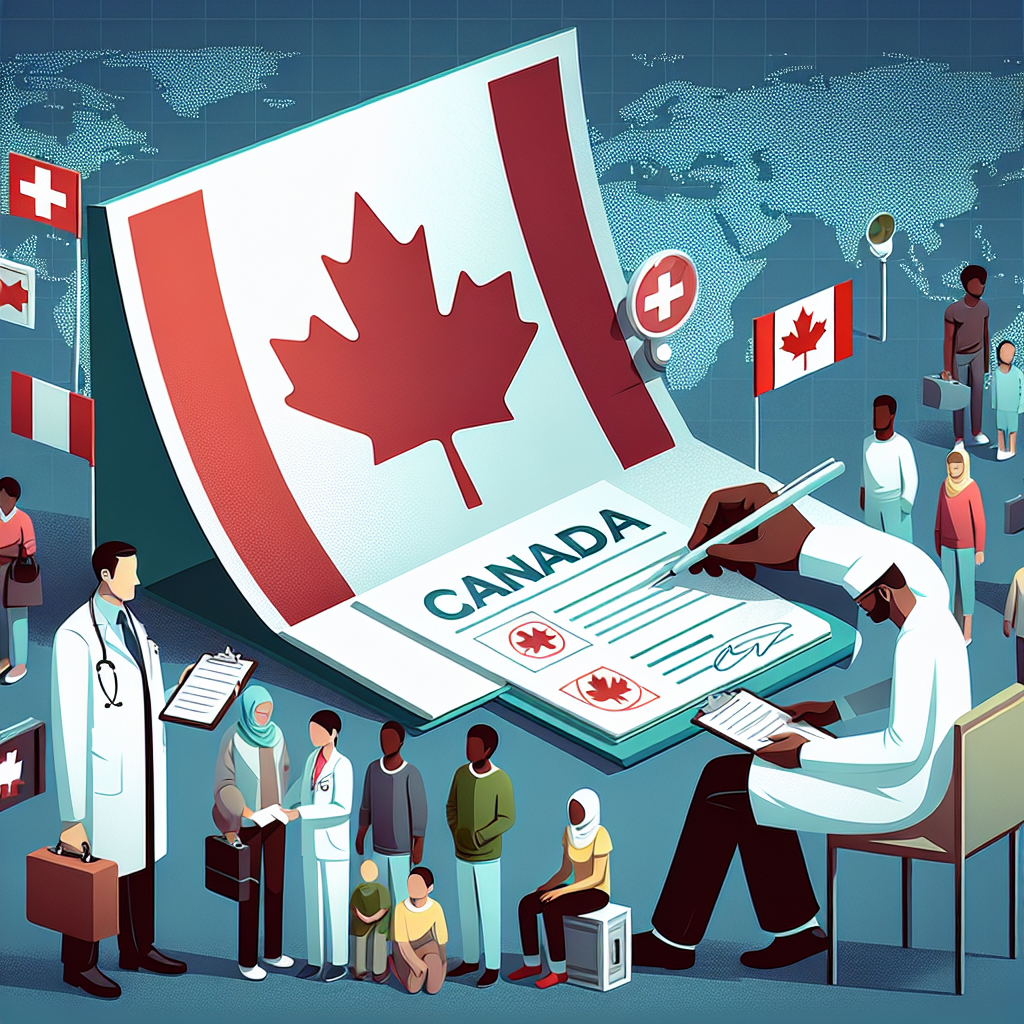
Canada Eases Immigration Medical Exam Rules for Many Temporary Residents
If you’re planning to visit, work, or study in Canada soon, there’s some great news! The Canadian government has updated its rules around immigration medical exams for temporary residents — and for many applicants, that means one big step just got a lot easier.
So, what does this change actually mean for you? Let’s break it down in simple terms.
What Is an Immigration Medical Exam?
When people come to Canada temporarily—whether for travel, work, or school—they often need to go through a medical checkup. This is known as an Immigration Medical Exam (IME). It helps the government make sure that incoming visitors don’t pose any serious health risks to Canadians or place a high demand on the country’s healthcare system.
But not everyone has always needed to take this exam. And recently, Canada updated the list of countries where applicants do need an IME. These changes could affect thousands of people applying for visas or permits to stay in Canada.
Key Update: Fewer Countries Now Require IMEs
The big headline? Canada has made the rules more flexible by reducing the number of countries whose citizens must complete a medical exam when applying for temporary resident visas or permits.
That means if you’re from certain countries, you may no longer need to visit a doctor or undergo medical tests before getting your visa processed.
Why the Change?
This update reflects better public health data and relationships with certain countries. Canada regularly reviews international health information—like the prevalence of communicable diseases—to decide which countries pose a higher risk. If a country shows low risk over time, its citizens may get exempted from the medical exam requirement.
Think of it as a report card. If your country has stable, healthy stats, Canada is now saying, “No need for extra tests—you’re good to go!”
Who Benefits from This Change?
There are two big groups this news will benefit the most:
- Temporary foreign workers, especially in low-risk industries or jobs involving short stays.
- International students coming from the updated list of exempt countries.
If that sounds like you, you might now be able to skip the IME step entirely. That saves you time, money, and paperwork—three things most of us could use less of.
How Do You Know If You Still Need a Medical Exam?
It’s important to check the updated list of designated countries. This list shows which countries still require an IME for those applying to visit, work, or study in Canada temporarily.
If your country is still listed, you’ll need to complete the medical exam before your application can be approved. If it’s no longer listed, then you’re off the hook—at least for now.
Pro Tip:
Not sure whether your country is on the list? The best thing to do is check Canada’s official immigration site—or work with an immigration consultant to be sure. It’s better to double-check than have your application delayed due to missing documents.
What’s the Immigration Medical Exam Like?
If you’re still required to do a medical exam, don’t worry—it’s not as scary as it sounds. The IME typically includes:
- A simple physical exam from a panel physician authorized by Immigration, Refugees and Citizenship Canada (IRCC)
- Basic lab tests, such as blood and urine tests
- Chest X-rays (in most adult cases)
You don’t need to be in perfect health—they’re just screening for serious conditions like tuberculosis or untreated chronic illnesses that would need long-term care in Canada.
I remember when a friend of mine from the Philippines applied for a student visa to study in Vancouver. She had to drive three hours to get to the closest panel physician. Between gas, the appointment fee, and the stress of scheduling—she spent almost $500 on that medical check. Now, with this update, people from her country might not need to go through the same ordeal.
What If You’ve Already Had an IME?
If you’ve completed a medical exam in the past 12 months for an immigration application, you may still be covered. IRCC often accepts recent IMEs as long as they’re still valid and were done by a panel physician.
But again—when in doubt, ask. Immigration rules can shift quickly, and it’s always best to be sure.
Will These Changes Affect Permanent Residency (PR) Applications?
Good question! These updates are specifically for temporary residents—people coming to Canada for a visit, short-term work, or study programs. If you’re planning to apply for permanent residence, the medical exam requirement still applies in most cases.
The medical rules for PR applications are stricter, since those applicants will be living in Canada more permanently (and potentially using more health services). That means the medical screening process is more thorough—and often unavoidable.
Tips for a Smooth Immigration Experience
Here are a few ways to make your Canadian immigration process go as smoothly as possible:
- Check eligibility early: Review Canada’s temporary resident requirements before you apply.
- Track deadlines: Medical exams (when required) usually have to be completed within 30 days of receiving instructions.
- Use official resources: Always refer to Canada’s official immigration website for the most up-to-date information.
- Consult a professional: If you’re unsure about your specific case, an immigration consultant or lawyer can help guide you through it.
Final Thoughts: Good News for Many Travelers
Canada’s decision to update its immigration medical exam rules is a welcome change for many hopeful travelers, students, and workers. It simplifies the process, reduces extra costs, and speeds things up for people coming from low-risk countries.
And with Canada’s growing need for international talent—especially in fields like hospitality, healthcare, and tech—this change could help attract more skilled workers and students.
So, whether you’re applying now or just starting to explore your Canadian dream, keep an eye on rule changes like this one. A small update today might make a big difference in your journey tomorrow.
Have questions about the new rule? Wondering if you still need a medical exam? Share your experience in the comments—we’d love to hear your story!