
Canada’s Big Immigration Move for 2026: What It Means for You
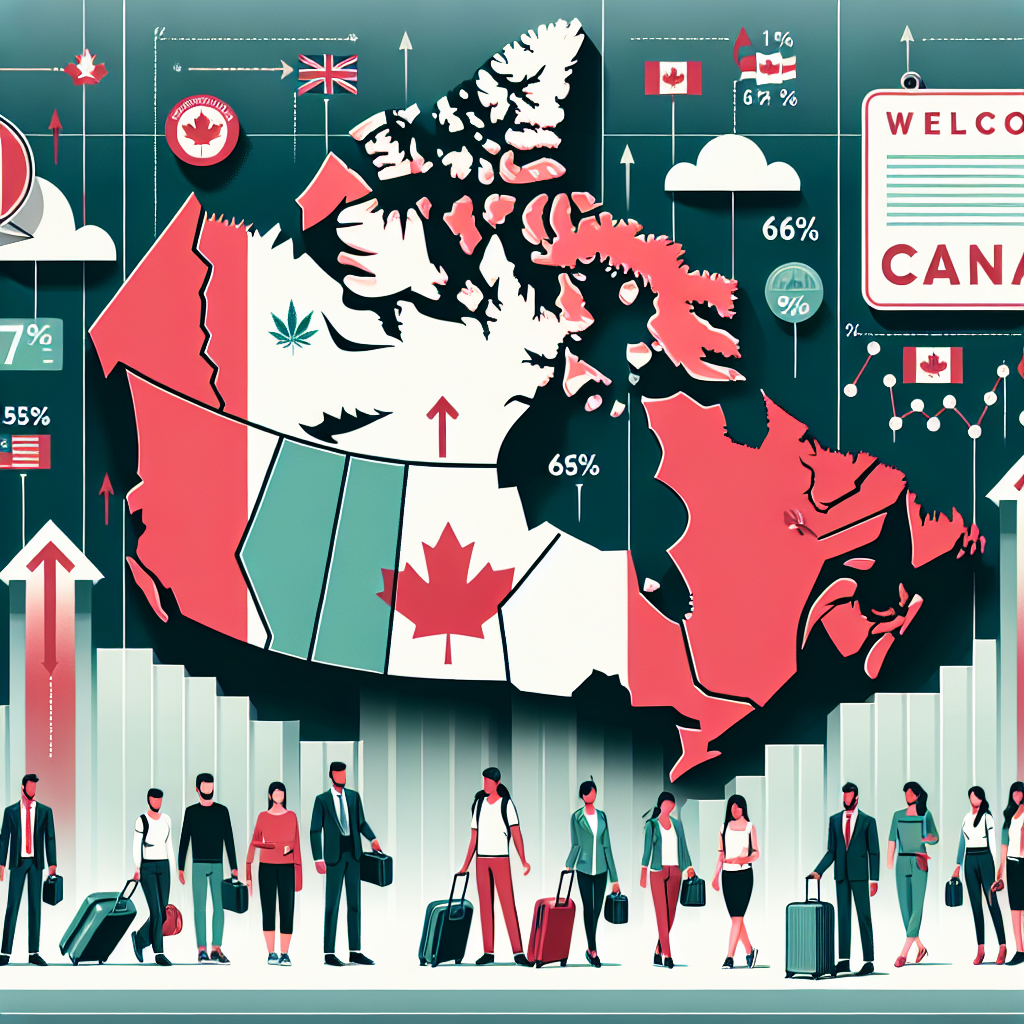
Canada is making a huge change to its immigration plans—and it could open new doors for anyone dreaming of living, working, or studying in one of its provinces. Starting in 2026, Canada plans to boost the number of immigrants brought in through its Provincial Nominee Program (PNP) by a whopping 66%. That’s a big leap—and it signals just how important newcomers are to Canada’s future.
But what does this really mean in simple terms? And how could it affect you, your family, or your plans to move to Canada?
Let’s break it all down into plain language so you know exactly what’s happening—and why it matters.
What Is the Provincial Nominee Program (PNP)?
The Provincial Nominee Program is one of Canada’s key ways of bringing skilled workers to the country. Each province and territory (except Quebec and Nunavut) has its own version of the program, designed to select people who can fill specific job shortages, contribute to local economies, and settle in that region.
Think of it like this: if Canada were a big company, then each province would be a department. And each department gets to hire the people they need most.
If you qualify, a province can “nominate” you, which gives you a powerful leg up when applying for permanent residency.
Why Is Canada Increasing Provincial Immigration by 66%?
You might be wondering: Why the sudden jump in numbers?
Well, here’s the thing—Canada’s population is aging. At the same time, many industries are short on workers. From healthcare to construction to tech and education, there just aren’t enough people to fill all the open jobs.
Provinces see this challenge up close. And they know that attracting new talent isn’t just a nice idea—it’s absolutely necessary for schools, hospitals, and businesses to keep running smoothly.
So, the federal government is giving provinces more power and more spots to bring in the workers they need.
How Many Newcomers Will This Add?
Right now, Canada’s target for the Provincial Nominee Program is about 83,500 newcomers.
By 2026, that number will jump to 110,000. That’s an increase of nearly 27,000 more immigrants under just this one program in just a few years.
Other Immigration Programs Still Matter
This doesn’t mean Canada is moving away from its other immigration streams, like Express Entry or family sponsorships. In fact, everything seems to be growing in a balanced way. But the big focus here is on giving provinces and territories more say in who comes to live there.
Which Provinces Will Benefit Most?
Every participating province and territory will get a portion of the increase. While the specific numbers may vary by region, the idea is to let each area grow its population in a way that fits its unique needs.
For example:
- Alberta: Needs more health care and agricultural workers.
- Ontario: Aims to attract more tech professionals and tradespeople.
- Atlantic Provinces: Looking to build communities by welcoming skilled workers and families.
The federal government is working closely with provinces to decide how many newcomers each region will get, so the growth is strategic—not just random.
What Does This Mean for Future Immigrants?
If you’re thinking about moving to Canada, this could be great news for you.
Why? Because it means:
- More spots available under the PNP every year.
- Higher chances of receiving an invitation to apply.
- More diverse pathways depending on your skills and background.
In fact, if you already live in Canada temporarily—say on a work or study permit—this expansion could make it easier to apply for permanent residency through your province.
So if you’ve been waiting for the “right time” to start your immigration journey, 2026 might just be it.
How Is This Different from Express Entry?
This is a common question: What’s the difference between Express Entry and the PNP?
Express Entry is a federal program that manages applications based on a points system. It’s competitive and focuses heavily on factors like age, education, work experience, and language skills.
On the flip side, the PNP lets provinces handpick applicants who meet certain regional or economic needs. Some provincial streams are aligned with Express Entry, which can make the process faster. Others have their own application channels entirely.
The key takeaway? If you don’t qualify under one pathway, there could be another open for you.
Canada’s Continued Focus on Regional Immigration
Canada wants more immigrants to not just land in big cities like Toronto or Vancouver—but to stay and build lives in smaller communities, too.
Programs like the Atlantic Immigration Program and the Rural and Northern Immigration Pilot are all part of this focus. The goal is to create well-balanced growth across the country, making sure every region benefits from immigration’s economic and social contributions.
The expanded PNP fits right into that vision.
What Should You Do Next?
If this sounds like an opportunity you want to explore, here are a few steps to get you started:
- Check provincial websites for eligibility requirements and current job shortages.
- Improve your language skills—both English and French are helpful, depending on the province.
- Get your credentials assessed so you’re ready to apply when spots open up.
- Watch for 2026 intake announcements to know when new streams are accepting applications.
And of course, if immigration seems overwhelming, don’t hesitate to speak with an immigration consultant or lawyer. Just make sure they’re licensed to work in Canada!
Final Thoughts
Canada’s decision to increase provincial immigration by 66% in 2026 is more than just a number—it’s a sign of growing opportunity. Whether you’re a skilled worker, international graduate, or someone looking to start a new chapter, this change could point you straight toward your future home.
And let’s face it—what better place to build that future than in a country that not only welcomes newcomers but actively plans for them to succeed?
So, the big question is: Will you be one of them?