

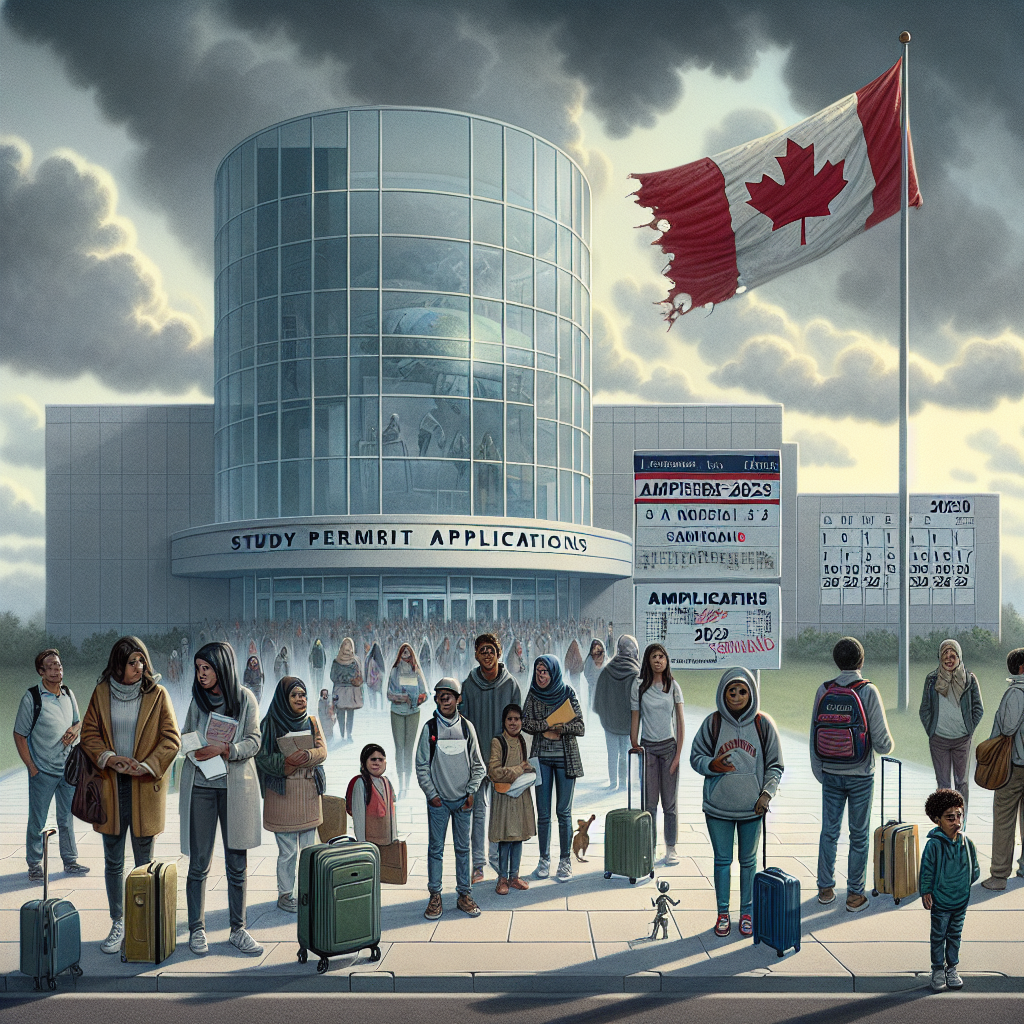
Canada May Fall Short of Its 2025 International Student Target
Canada has long been a top destination for international students. Not only does the country offer high-quality education, but it also provides a safe and multicultural environment. Over the years, students from around the world have come to Canada in large numbers, hoping to build a better future. But recently, things have started to shift.
According to recent updates from Immigration, Refugees and Citizenship Canada (IRCC), the federal government is on track to miss its 2025 target for admitting international students. So, what’s going on? Let’s break it down.
What’s Causing the Drop in International Student Numbers?
In early 2024, Canada rolled out new measures to better manage the number of international students entering the country. One major move was the introduction of a national cap on student permit applications. The government said its goal was to stabilize growth and reduce pressure on housing and other services across the provinces.
The current cap allows for around 360,000 approved study permits nationwide in 2024, with a plan to renew this strategy for 2025. However, as of now, IRCC has received just over 285,000 applications under the new capped system. This likely means the actual number of permits approved will be even lower than the cap.
So, even though the system allows for 360,000 new study permits, the country might end up approving far fewer. In fact, the data suggests that Canada may fall short of this target by over 20,000 permits.
How Does the Cap System Work?
The new system isn’t just about setting a nationwide limit. It also gives each province a slice of that limit based on its population. For example, Ontario—home to cities like Toronto and Ottawa—has the highest share. Provinces then distribute these spots to designated learning institutions (DLIs), such as universities and colleges.
Sounds fair, right? But here’s the catch. Some provinces are facing challenges when it comes to how they allocate these spots. In Ontario, for instance, some schools received their allotted number of permits later than expected. This delay created last-minute hurdles for students trying to apply on time.
These kinds of hiccups mean that fewer students are actually getting through the application process in time for enrollment.
Why the Change? Understanding the Federal Government’s Goals
You might be wondering, why is Canada placing limits on international students when they’re such a valuable part of the country’s economy and culture?
Well, the decision didn’t come lightly. The government says the cap is meant to address mounting concerns around housing shortages, strained public services, and the quality of international student programs at certain institutions.
In recent years, there’s been a surge in for-profit colleges and other institutions that offer subpar education while charging high fees. This has led to worries about international students being misled or mistreated. The government hopes that by capping the numbers, it can better monitor the system and ensure higher standards.
What Does This Mean for Students?
If you’re an international student—or planning to become one—you’re probably feeling a bit anxious. And rightly so.
With fewer study permits being approved, competition is fierce. Students now need to ensure they’re applying to recognized DLIs that have permit allocations available. Timing also matters more than ever. If you miss your application window, you might have to wait until the next cycle.
Here’s what students should keep in mind:
- Apply early: Don’t wait until the last minute, especially with permits in high demand.
- Choose your school wisely: Make sure the institution is approved and has available slots under the cap.
- Get organized: Gather all necessary documents ahead of time to avoid delays.
It’s also a good idea to stay in touch with the school you’re applying to for updates on space availability and timelines.
The Bigger Picture: Impact on Canada’s Education Sector
This new cap system doesn’t just affect students—it also has big implications for post-secondary institutions across Canada.
Many schools, especially colleges, rely heavily on international student tuition to keep programs running. With fewer students coming in, some institutions may face financial strain. Smaller programs might get cut, and job opportunities for staff could also take a hit.
In areas like Ontario and British Columbia, where international students make up a large percentage of the student body, the impact could be even deeper.
And let’s not forget the broader economy. International students contribute billions of dollars to Canada’s economy each year—not only through tuition fees but also by spending on housing, food, and other essentials. A drop in numbers could create a ripple effect.
Could Canada Adjust Its Policy in the Future?
The government has said that it will review the policy annually. That means the national cap—and the way it’s divided among provinces—could be adjusted in the future.
If certain provinces or schools show they can responsibly handle higher volumes of students, they may receive a larger share of the cap down the road. Likewise, if the housing situation improves or school systems adapt to handle more students, Canada might be more open to increasing numbers again.
So, while 2025 might see fewer international students than planned, there’s still hope that the system will evolve to better support both students and institutions.
Final Thoughts: What Should Students and Schools Do Next?
It’s clear that Canada’s international student landscape is going through a period of big changes. For students, this means doing more homework than ever—researching schools, keeping up with deadlines, and making smart choices about where and how to apply.
For institutions, the key is adapting. That could mean improving student services, offering more transparent information, or even cutting back on overly crowded programs.
Canada remains one of the most popular countries for international education. But as these new policies take shape, everyone—from students and schools to policymakers—needs to work together to ensure the system is fair, supportive, and sustainable.
Thinking of studying in Canada? Start planning early, stay informed, and don’t give up. Your Canadian dream is still within reach—it just might take a little more planning than before.