What’s Changing in Quebec’s Immigration Plans for 2025?

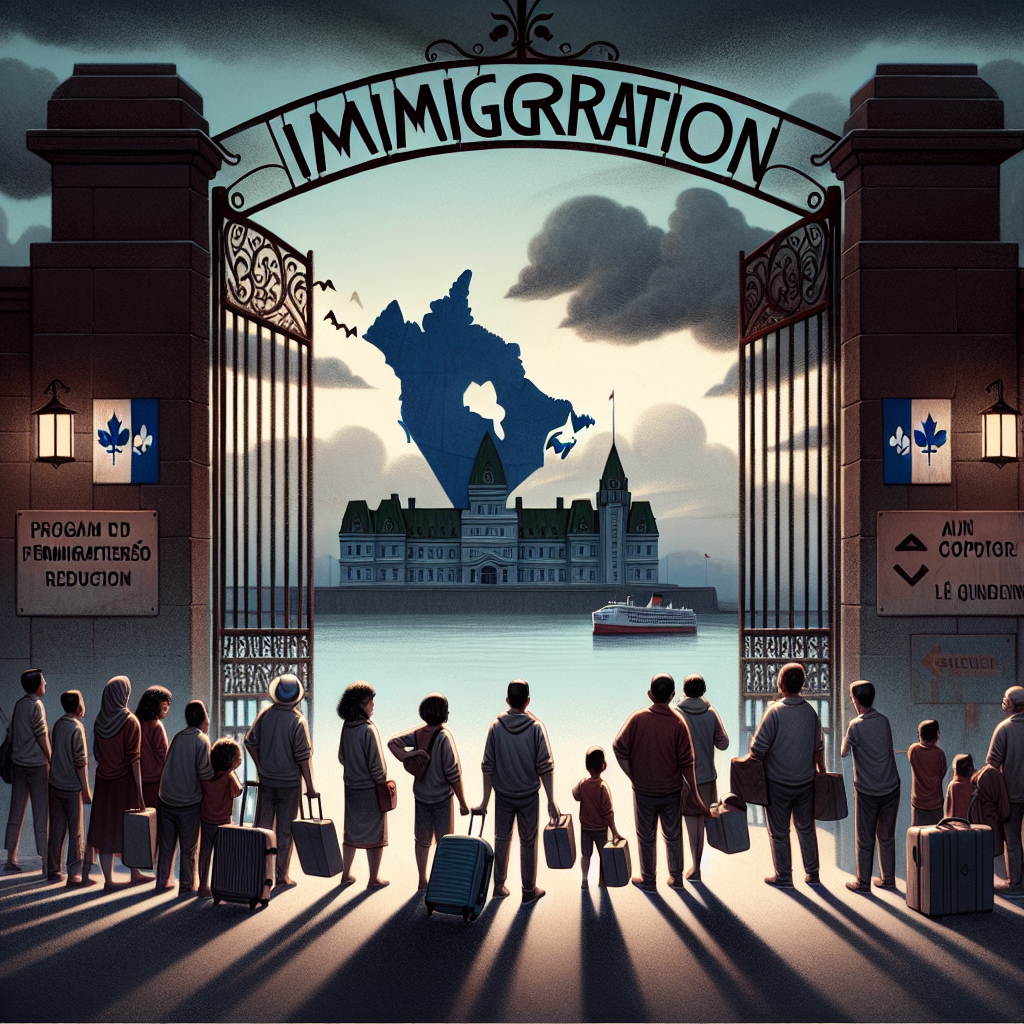
Big changes are coming for those hoping to move to Quebec. The province has officially announced a major reduction in its immigration targets for 2025. This decision has sparked both concern and curiosity, especially among potential immigrants and businesses that rely on foreign talent.

But what exactly is changing? And why is Quebec taking this step? Let’s break it down in simple terms.

Immigration Numbers Are Going Down

Quebec is taking a more cautious approach to immigration going into 2025. The government plans to admit between 32,000 and 36,000 new permanent residents next year. This is a significant drop from the 50,000 cap that was in place just a couple of years ago.

The official reason? The province says it wants to preserve the French language and ensure newcomers integrate well into Quebec society.

Why the Cut?

According to Quebec Premier François Legault and Immigration Minister Christine Fréchette, the primary goal is to protect and promote the French language. Quebec is the only majority French-speaking province in Canada, and the government wants to keep it that way.

They believe that by reducing immigration, it will be easier to ensure immigrants are fluent in French and committed to integrating into Quebec culture.

But is this the only reason? Let’s look closer.

The Focus on Language

This latest move goes hand-in-hand with Quebec’s larger strategy to make French language ability a key factor in immigration.

In fact, all economic immigrants to Quebec must now know French in order to qualify. This includes skilled workers and businesspeople.

The province argues this will make it easier for newcomers to find jobs, contribute to the economy, and adapt to Quebec life. But it has also drawn criticism from immigration advocates who say it could shut out talented individuals who are willing to learn French but don’t speak it yet.

Other Areas Are Affected Too

Several immigration programs are also being slowed down or restructured, such as:

  • Quebec Skilled Worker Program (QSWP) – Applications will be capped, with new eligibility tied directly to French proficiency.
  • Quebec Experience Program (PEQ) – Stricter rules now apply, favoring those with advanced French skills.
  • Family reunification and refugee programs – These may also see decreases to stay within overall immigration limits.

How Will This Impact Aspiring Immigrants?

If you’re planning to move to Quebec, these new changes could affect your chances. Simply put, knowing French is now more important than ever.

Even if you have a strong resume, solid work experience, or a job offer, you’ll need to prove you can speak and understand French at a high level to qualify for most immigration streams in Quebec.

This makes Quebec very different from other provinces, which often welcome immigrants based on workforce needs or economic goals without strict language requirements.

What If You Don’t Speak French?

Don’t worry—it’s not the end of the road. If you’re committed to learning French, there are several resources and subsidies available. Quebec even offers free French classes for newcomers and temporary residents.

So, if Quebec is your dream destination, start learning now. Being proactive about French can improve your chances significantly.

Why This Matters for Quebec’s Economy

Here’s where things get complicated. While the government says the cuts are meant to protect the French language, some experts warn it could hurt the economy.

Businesses across Quebec are already facing major labor shortages. From healthcare to construction and tech, many employers rely on immigration to fill roles they struggle to fill locally.

Cutting immigration adds pressure. In the short term, it might help ensure new arrivals speak French. But in the long term, it could mean fewer workers, slower growth, and a tougher time for Quebec companies.

Looking at the Bigger Picture

Other provinces like Ontario and British Columbia are doing the opposite—welcoming more immigrants to boost their economies and fill labor gaps.

So why is Quebec swimming against the current? For the government, it comes down to identity. They see language and culture as cornerstones of what makes Quebec unique—and they’re willing to risk some economic growth to protect that.

Is This a Temporary Shift or the New Normal?

It’s still unclear. The government has promised to re-evaluate immigration levels in 2027. So while these changes are significant, there’s a chance they may not last forever.

Until then, newcomers will have to adapt to this new reality. Whether that means learning French or looking to other provinces for opportunity, flexibility will be key.

A Personal Take

I remember helping a friend apply to Quebec’s skilled worker program a few years ago. At the time, French wasn’t mandatory, so she enrolled in a crash course and planned to improve over time. With today’s rules, she probably wouldn’t qualify until she was fluent. It’s clear the bar has moved—and future applicants need to be prepared.

Final Thoughts

Quebec’s immigration reductions are more than just numbers—they reflect a shift in how the province views its identity and its priorities.

If you’re looking to settle in Quebec, start by focusing on French. Not just enough to get by—but enough to live, work, and thrive in a French-speaking province. If that seems like a challenge, other parts of Canada may offer more flexible options in the meantime.

Whether you support the changes or not, one thing is clear: immigration in Quebec is entering a new chapter, and it’s more important than ever to stay informed and be prepared.

Looking Ahead

Considering a future in Quebec? Here are a few steps you can take today:

  • Start or continue learning French through free online tools or community classes.
  • Research the latest immigration pathways directly on Quebec’s government website.
  • Talk to an immigration consultant to explore your options based on the new rules.
  • Keep an eye on policy updates heading into 2027—things may change again.

Immigration is a personal journey, and understanding these updates will help you chart the best path forward—whether in Quebec, elsewhere in Canada, or somewhere else entirely.
Canada’s Big Immigration Move for 2026: What It Means for You

Canada is making a huge change to its immigration plans—and it could open new doors for anyone dreaming of living, working, or studying in one of its provinces. Starting in 2026, Canada plans to boost the number of immigrants brought in through its Provincial Nominee Program (PNP) by a whopping 66%. That’s a big leap—and it signals just how important newcomers are to Canada’s future.

But what does this really mean in simple terms? And how could it affect you, your family, or your plans to move to Canada?

Let’s break it all down into plain language so you know exactly what’s happening—and why it matters.

What Is the Provincial Nominee Program (PNP)?

The Provincial Nominee Program is one of Canada’s key ways of bringing skilled workers to the country. Each province and territory (except Quebec and Nunavut) has its own version of the program, designed to select people who can fill specific job shortages, contribute to local economies, and settle in that region.

Think of it like this: if Canada were a big company, then each province would be a department. And each department gets to hire the people they need most.

If you qualify, a province can “nominate” you, which gives you a powerful leg up when applying for permanent residency.

Why Is Canada Increasing Provincial Immigration by 66%?

You might be wondering: Why the sudden jump in numbers?

Well, here’s the thing—Canada’s population is aging. At the same time, many industries are short on workers. From healthcare to construction to tech and education, there just aren’t enough people to fill all the open jobs.

Provinces see this challenge up close. And they know that attracting new talent isn’t just a nice idea—it’s absolutely necessary for schools, hospitals, and businesses to keep running smoothly.

So, the federal government is giving provinces more power and more spots to bring in the workers they need.

How Many Newcomers Will This Add?

Right now, Canada’s target for the Provincial Nominee Program is about 83,500 newcomers.

By 2026, that number will jump to 110,000. That’s an increase of nearly 27,000 more immigrants under just this one program in just a few years.

Other Immigration Programs Still Matter

This doesn’t mean Canada is moving away from its other immigration streams, like Express Entry or family sponsorships. In fact, everything seems to be growing in a balanced way. But the big focus here is on giving provinces and territories more say in who comes to live there.

Which Provinces Will Benefit Most?

Every participating province and territory will get a portion of the increase. While the specific numbers may vary by region, the idea is to let each area grow its population in a way that fits its unique needs.

For example:

  • Alberta: Needs more health care and agricultural workers.
  • Ontario: Aims to attract more tech professionals and tradespeople.
  • Atlantic Provinces: Looking to build communities by welcoming skilled workers and families.

The federal government is working closely with provinces to decide how many newcomers each region will get, so the growth is strategic—not just random.

What Does This Mean for Future Immigrants?

If you’re thinking about moving to Canada, this could be great news for you.

Why? Because it means:

  • More spots available under the PNP every year.
  • Higher chances of receiving an invitation to apply.
  • More diverse pathways depending on your skills and background.

In fact, if you already live in Canada temporarily—say on a work or study permit—this expansion could make it easier to apply for permanent residency through your province.

So if you’ve been waiting for the “right time” to start your immigration journey, 2026 might just be it.

How Is This Different from Express Entry?

This is a common question: What’s the difference between Express Entry and the PNP?

Express Entry is a federal program that manages applications based on a points system. It’s competitive and focuses heavily on factors like age, education, work experience, and language skills.

On the flip side, the PNP lets provinces handpick applicants who meet certain regional or economic needs. Some provincial streams are aligned with Express Entry, which can make the process faster. Others have their own application channels entirely.

The key takeaway? If you don’t qualify under one pathway, there could be another open for you.

Canada’s Continued Focus on Regional Immigration

Canada wants more immigrants to not just land in big cities like Toronto or Vancouver—but to stay and build lives in smaller communities, too.

Programs like the Atlantic Immigration Program and the Rural and Northern Immigration Pilot are all part of this focus. The goal is to create well-balanced growth across the country, making sure every region benefits from immigration’s economic and social contributions.

The expanded PNP fits right into that vision.

What Should You Do Next?

If this sounds like an opportunity you want to explore, here are a few steps to get you started:

  • Check provincial websites for eligibility requirements and current job shortages.
  • Improve your language skills—both English and French are helpful, depending on the province.
  • Get your credentials assessed so you’re ready to apply when spots open up.
  • Watch for 2026 intake announcements to know when new streams are accepting applications.

And of course, if immigration seems overwhelming, don’t hesitate to speak with an immigration consultant or lawyer. Just make sure they’re licensed to work in Canada!

Final Thoughts

Canada’s decision to increase provincial immigration by 66% in 2026 is more than just a number—it’s a sign of growing opportunity. Whether you’re a skilled worker, international graduate, or someone looking to start a new chapter, this change could point you straight toward your future home.

And let’s face it—what better place to build that future than in a country that not only welcomes newcomers but actively plans for them to succeed?

So, the big question is: Will you be one of them?

Canada Shifts Immigration Strategy: More Spaces for PNP, Fewer for Students and Temporary Workers

Canada is once again updating its immigration game plan—and this time, the changes are all about balance. If you’re thinking about moving to Canada, studying there, or already living as a temporary worker, these updates could impact you directly.

So, what’s new? The federal government is placing more emphasis on the Provincial Nominee Program (PNP), while scaling back how many temporary foreign workers and international students it takes in each year.

It’s a big change—but let’s break it down in a clear, simple way.

What Is the Provincial Nominee Program (PNP)?

Before we get into the numbers, let’s go over what the PNP actually is.

The Provincial Nominee Program is how provinces and territories in Canada can recruit immigrants who match their local labor needs. For example, if British Columbia needs more healthcare workers or if Manitoba wants skilled tradespeople, they can use the PNP to bring them in directly.

Think of it this way: instead of everyone applying through the federal Express Entry system, the provinces get a say too. And with this latest update, the federal government is giving them even more control.

PNP Growth: What the New Plan Says

Here’s the big headline: In the new immigration levels plan for 2025–2027, Canada is planning to dramatically boost the number of newcomers arriving through the PNP.

  • In 2024, Canada aims to welcome 110,000 immigrants through the PNP.
  • By 2025, that number is expected to rise to 120,000.
  • And in 2026 and 2027, the goal is to welcome 120,000 provincial nominees each year.

This means more opportunities for skilled immigrants to move to Canada directly through a province that needs their specific talents.

Why the change? Ottawa says focusing on the PNP helps meet local labor needs better and makes newcomer integration more successful. Provinces often know best what kind of workers and expertise their communities require—so it makes sense to give them a bigger role.

At the Same Time: A Reduction in Study Permits and Temporary Workers

While the PNP numbers are going up, the number of temporary foreign workers and international students could be going down.

The 2025–2027 immigration plan actually excludes temporary residents (like international students or workers on short permits). The government is signaling that it wants to put more focus on permanent immigration pathways.

Immigration, Refugees and Citizenship Canada (IRCC) will be working with other departments to come up with a new policy direction that balances the number of temporary and permanent residents. This makes sense when you consider that Canada now has a record-high number of temporary residents—nearly 2.2 million as of the end of 2023.

To give some context: temporary residents include international students, agricultural workers, tech employees, and many others who stay in Canada for months or years without becoming permanent residents. While they help fill gaps in the workforce short-term, this system can be unpredictable and harder to manage long-term.

Why Is Canada Making This Shift?

You might be wondering, what’s behind this major shake-up?

There are a few key reasons:

  • Economic needs: Canada wants to better align its immigration with job market demands at the local level.
  • Population growth: With immigration driving almost all of Canada’s population growth, it’s essential to manage it carefully.
  • Housing and infrastructure strain: More temporary residents mean more pressure on housing, public services, and schools in certain areas.
  • Long-term integration: Permanent residents are more likely to stay and build lives in Canada, compared to those who come for short-term work or study.

In other words, the government wants to make sure that immigration truly supports the economy and communities—both today and into the future.

What This Means for Future Immigrants

If you’re thinking about immigrating to Canada, this change could be good news—especially if you already have high-demand skills or experience.

For example, if you’re a nurse and a province like Saskatchewan is looking for medical professionals, your chances of being selected through the PNP just went up. The same goes for skilled tradespeople, tech professionals, or agricultural workers in demand.

However, if you were planning on coming through a study or work permit first and then staying in Canada permanently, your journey could now be more complex. With the government aiming to reduce temporary permits, competition could increase.

This doesn’t mean international students or temporary workers are no longer welcome. Rather, Canada is encouraging a shift to programs that offer a clearer path to permanent residence from the beginning.

How Provinces Are Reacting

This bigger role for provinces has been generally well-received. Provincial governments have long asked for more control over who comes to live and work in their regions.

By giving provinces a larger share of immigration spots through the PNP, the hope is that newcomers are more likely to find jobs, settle faster, and stay longer in the communities that need them most.

Some provinces are already adjusting their own policies, setting up occupation-specific programs and faster processing streams for in-demand jobs.

Is This the Right Move for Canada?

There’s no one-size-fits-all answer. Some argue that prioritizing permanent residents over temporary ones gives newcomers better stability and security.

Others worry that cutting back on study and work permits could hurt industries like education, farming, or hospitality, which rely heavily on international talent.

Still, many experts believe a stronger focus on long-term integration is the right way to strengthen both the economy and community resilience.

What Should You Do Now?

If you’re looking to move to Canada, here are a few tips based on the new changes:

  • Look into provincial nominee programs (PNPs). Each province has its own set of rules and priorities.
  • Find out which jobs are in-demand in different regions—having the right skills can boost your chances.
  • If you’re a current international student or temporary worker in Canada, stay informed. Rules might change, and you may need to explore permanent residence pathways sooner.
  • Talk to a licensed immigration consultant or lawyer to understand your best options under the new system.

Final Thoughts

Canada is adjusting its immigration priorities to better reflect local needs and long-term goals. The rise in PNP targets means more chances for permanent residency, but cuts to study and work permits signal a shift in how temporary residents are viewed.

At the end of the day, the country is still very much open to immigrants—but the ways you get in, and the paths you take once you’re there, might look a little different starting in 2024.

So, are you ready to find your place in Canada’s evolving immigration landscape?

Canada Opens Doors to U.S. H-1B Visa Holders with Fast-Track Immigration Path

Are you a skilled tech worker in the U.S. holding an H-1B visa? Struggling with green card wait times or job uncertainty? Canada might have just opened the door you’ve been waiting for.

In an exciting move to lure top international talent, Canada has rolled out a new fast-track immigration pathway specifically for holders of U.S. H-1B visas. This initiative is part of Canada’s strategy to strengthen its tech sector and attract global professionals looking for better stability and career opportunities.

Let’s break down what this means and how it might benefit you—or someone you know.

Why Canada Is Targeting H-1B Workers

The H-1B visa system in the United States is well-known for being competitive and, at times, unpredictable. Many highly-skilled workers from countries like India and China find themselves stuck in long queues for permanent residency. Some even face job loss risks due to visa caps or policy changes.

Canada saw an opportunity here.

By offering a smoother, more predictable pathway for these skilled workers, Canada isn’t just doing a favor—it’s making a smart economic move. These professionals bring years of experience in high-demand fields like:

  • Information technology
  • Software development
  • Engineering
  • Artificial intelligence
  • Cybersecurity

With its growing tech economy and welcoming immigration policies, Canada hopes to become the new home base for frustrated H-1B visa holders.

How the Fast-Track Pathway Works

So, how exactly does this new immigration path function?

At its core, this initiative lets U.S. H-1B holders apply for a Canadian work permit—without needing a job offer first. That’s a big shift from traditional pathways, which often require candidates to land a position before applying.

Here’s a quick rundown of the process:

  • Eligible applicants can apply for an open work permit that lasts up to three years.
  • This open permit allows them to work for nearly any employer across Canada.
  • Spouses and dependents can accompany the primary applicant and receive study or work permits too.
  • Once in Canada, applicants can explore options for permanent residency through programs like Express Entry or Provincial Nominee Programs.

And here’s the catch: this special permit is capped at 10,000 applicants—so if you’re eligible, you’ll want to act quickly.

What’s in It for Skilled Workers?

Let’s be honest—navigating the U.S. immigration system can be stressful. Between the lottery system, lengthy green card queues, and policy uncertainty, many international workers feel stuck in limbo.

This is where Canada’s approach stands out.

First of all, the application process is more straightforward and transparent. Second, Canada offers a high quality of life, a diverse culture, and great public services like universal healthcare and affordable education.

Not to mention, Canadian cities like Toronto, Vancouver, and Montreal are blossoming tech hubs with thriving job markets.

So, whether you’re dreaming of launching a startup, growing your career, or simply having a more stable immigration path—this new policy could be your gateway to a fresh start.

Why Canada Is Making This Move Now

This policy isn’t happening in a vacuum. It’s part of Canada’s broader strategy to fill labor gaps and grow its innovation economy.

By the numbers, Canada wants to welcome over 460,000 new permanent residents each year. A large slice of that pie will come from economic immigration programs targeting skilled workers.

But that’s just one part of the puzzle.

Canada is also launching pilot programs to support in-demand sectors like science, technology, engineering, and math (STEM). These include:

  • Turnkey work permits for workers recruited by Canadian employers in STEM roles.
  • Improved pathways for digital nomads and remote workers.
  • A new Innovation Stream under the Global Talent Stream to focus on high-growth industries.

In short, Canada wants to become a global magnet for brainpower—and H-1B visa holders are high on the priority list.

How to Know If You Qualify

Wondering if this path is the right fit for you?

Here are some common eligibility criteria to keep in mind:

  • You must currently hold a valid H-1B visa.
  • You must be living in the United States at the time of applying.
  • You’ll need to provide documentation proving your current visa and work status.
  • As with any immigration process, background checks and other criteria will apply.

The good news? You don’t need a Canadian job offer to start. And once you receive your work permit, you’ll have the freedom to explore jobs across different provinces and even change employers.

Real People, Real Impact

Let’s take an example.

Imagine Priya, a software engineer working in Silicon Valley on an H-1B visa. She’s been waiting years for her green card but isn’t seeing much progress. Meanwhile, she and her husband are feeling anxious due to frequent visa policy shifts in the U.S.

With Canada’s new policy, Priya could apply for a three-year open work permit. Her husband might get a spousal work permit, and their child could enroll in public school without extra hurdles. Once they settle—say, in Toronto or Vancouver—she can apply for Canadian permanent residency.

And just like that, they’ve turned years of uncertainty into a promising new future.

Final Thoughts: Is It Time for a Northward Move?

This new policy isn’t just great news for skilled workers—it’s a sign of changing times in global immigration.

Canada is doubling down on talent attraction and making it easier for people to live, work, and contribute to its economy. For U.S. H-1B visa holders wanting to escape the wait and uncertainty, this could be a golden ticket.

Of course, every situation is unique. It’s important to assess your own goals, family needs, and career path. But if you’ve been feeling boxed in by the American system, why not explore your options?

The only question left is—are you ready for your next chapter in Canada?

Next Steps

Ready to learn more? Here’s what you can do:

  • Visit the official Immigration, Refugees and Citizenship Canada (IRCC) website for application guidelines and deadlines.
  • Consult with an immigration lawyer or consultant to ensure you meet all criteria.
  • Start preparing documents to support your application, including H-1B approval notice, passport copy, and work history.
  • Follow Canadian immigration news as policy updates may affect timelines or eligibility.

Canada’s message is clear: talented workers are welcome here. Whether you’re coming alone or bringing your family along, this could be the opportunity of a lifetime.

Canada Shares New Immigration Targets for 2026 to 2028

Canada has long welcomed newcomers with open arms, and the government’s recent announcement proves it’s not slowing down anytime soon. The federal government just revealed its Immigration Levels Plan for 2026-2028, and there’s a lot to unpack—especially if you’re planning to move to Canada, work here, or reunite with family.

In a nutshell? Canada is sticking with its current immigration targets through 2026, aiming to welcome 500,000 new permanent residents per year. While it’s not raising the numbers (at least not yet), it’s placing a stronger focus on improving the quality of life for newcomers and managing immigration more sustainably.

What Does This Mean for Future Immigrants?

If you’re hoping to move to Canada in the next few years, this announcement brings stability. The federal government plans to:

  • Maintain an annual target of 485,000 newcomers in 2024
  • Welcome 500,000 immigrants annually in 2025 and 2026
  • Extend the 500,000 target through 2027 and 2028

The consistent numbers mean Canada is continuing to embrace immigration as a solution to labor shortages, aging population concerns, and long-term economic growth.

Focus on Smart Growth, Not Just Bigger Numbers

While Canada isn’t increasing its annual intake just yet, the emphasis is shifting toward smarter, more sustainable immigration. That’s where the “stabilization strategy” comes in—a government plan to make sure communities have the support and resources they need to help immigrants settle in smoothly.

Think of it like adding more players to a team. More players are good, but only if you have enough coaches, equipment, and space to help them succeed. Similarly, Canada’s focusing not just on how many immigrants arrive—but on how well they can integrate.

The Role of Provinces and Territories

Canada isn’t going it alone either. The federal government is working more closely with provinces, territories, and municipalities to make sure everyone’s prepared to welcome new residents. This includes providing funding for housing, transportation, healthcare services, and language training.

This kind of teamwork makes it easier for newcomers to thrive—and for communities to grow in a healthy, balanced way.

Where Are These Immigrants Coming From?

Canada accepts immigrants under four main categories:

  • Economic Class: Skilled workers, business owners, and entrepreneurs (60% of immigrants come through this route)
  • Family Class: Spouses, children, or other close family members of Canadian residents
  • Refugees and Protected Persons: Individuals fleeing persecution or unsafe conditions
  • Humanitarian and Other: People admitted under special programs or on compassionate grounds

The government is especially focused on attracting economic immigrants—people who have the skills and experience to meet labor demands in Canada’s industries, from healthcare and technology to construction and trucking.

What’s in Budget 2025 for Immigration?

Along with the immigration plan, the Canadian government released details from its upcoming Budget 2025. Unsurprisingly, a big part of the budget is meant to support this immigration strategy. Here’s what’s on the table:

  • $743.5 million over five years to strengthen the immigration system
  • $87.3 million specifically to improve client services for immigration applicants
  • More funding for settlement services, like job training, translation support, and housing help

This funding will also help streamline application processes and speed up timelines. So, if you’ve ever waited months just to hear back on your visa status, better days might be ahead.

Improving the Application Experience

Waiting for a visa or permanent residency decision can be frustrating. The government says it’s working to fix that. Budget 2025 includes investments in technology and human resources to reduce backlogs and improve communication.

By making the process smoother and more transparent, Canada hopes to attract even more top talent from around the world—and make sure they stick around once they’ve arrived.

Balancing Immigration with Housing and Services

One key takeaway from the announcement? The government wants to make sure immigration doesn’t outpace the country’s capacity to support new arrivals. This means addressing real concerns like:

  • Affordable housing shortages
  • Long wait times for healthcare services
  • Overcrowded schools and infrastructure

While immigration helps boost the economy and addresses workforce gaps, the infrastructure has to keep up. Budget 2025 takes steps in this direction, with plans to work closely with local governments to ensure communities have what they need.

As an example, imagine welcoming guests to your house. It’s great to have company—but only if you have enough food, space, and chairs for everyone to be comfortable. That’s the same principle the government is applying here, and it’s a wise one.

Why This Matters for Newcomers and Canadians Alike

For immigrants dreaming of a new life in Canada, this plan offers reassurance. The doors remain open—but with a growing emphasis on purposeful, managed growth. That means:

  • More targeted immigration based on job market needs
  • Better services and programs for smoother settlement
  • Long-term strategies for sustainable community development

For Canadian citizens, this approach offers a more balanced system—one that supports the economy without overburdening public services. It’s not just about numbers; it’s about quality, fit, and long-term success—for everyone involved.

Looking Ahead

So, what’s next? The government has already kicked off public consultations on the future of Canada’s immigration system. Ottawa is asking stakeholders—from business leaders and academics to ordinary people—for their thoughts on what immigration should look like in the decades to come.

This open approach suggests that Canada sees immigration not just as a policy, but as a nation-building tool. And that means everyone gets a chance to shape the future.

Is Now the Right Time to Move to Canada?

If you’ve been thinking of making the big move, now might be the right time to start planning. With stable immigration targets, a long-term strategy for growth, and more support services on the way, it’s clear that Canada is committed to helping newcomers succeed.

Whether you’re a skilled worker, a student, or someone hoping to reunite with family, Canada is laying the groundwork to make your arrival smoother and your success more attainable. And that’s good news—not just for future immigrants, but for Canada as a whole.

Stay tuned as more details emerge and programs roll out. The coming years could be a remarkable chapter in Canada’s immigration story—and you might just be part of it.

Canada’s Express Entry System Welcomes More Applicants Without Canadian Work Experience

If you’ve ever thought about immigrating to Canada through the Express Entry system but felt discouraged because you didn’t have Canadian work experience — good news! A recent government report shows that in 2023, nearly one out of every three candidates invited to apply for permanent residence had no prior work experience in Canada.

That’s a big shift and it opens up the door for many skilled workers worldwide who once thought their chances were slim. Let’s dive into what this means, who’s benefiting the most, and what kind of occupations are topping the invitation lists.

What is Express Entry, Anyway?

Before we get into the details, let’s quickly cover the basics.

Canada’s Express Entry is an immigration system that selects skilled workers for permanent residency. It uses a points-based system called the Comprehensive Ranking System (CRS) to rank candidates. Scores are based on factors like age, education, work experience, and language ability.

Usually, the more Canadian experience you have, the better your odds. But this new report shows that things are changing.

More Invitations Without Canadian Experience

In 2023, out of a total of 110,266 Invitations to Apply (ITAs) issued for permanent residence, around 34% went to applicants with zero Canadian work experience.

This might sound surprising at first. After all, living and working in Canada has always been considered a major advantage in the Express Entry system. But these numbers prove that having international experience only is no longer a deal-breaker.

So what’s happening here?

Canada is starting to widen its doors for highly skilled workers from overseas, not just those already studying or working in Canada. This shift could be a response to growing labor market needs and a desire to attract talent faster.

India Remains the Top Source Country

Year after year, India continues to lead the pack when it comes to receiving Express Entry invitations. In 2023, Indian nationals received more ITAs than any other nationality.

This trend isn’t new. Many Indian professionals bring strong qualifications, years of skilled work experience, and high English proficiency — all of which help them score well in the CRS system.

A key takeaway here is that you don’t have to rewrite your entire life to come to Canada. Having the right skill set and language ability could make you an ideal candidate, even from abroad.

IT Occupations Dominate the Field

Looking at the most-invited occupations, it’s clear that Canada still values tech talent the most.

The most common occupations among Express Entry invitees in 2023 include:

  • Software engineers and designers
  • Spouses working in tech-related fields
  • Computer programmers
  • Information systems analysts

Tech jobs are in high demand across Canada, especially with the rise of remote work and the continued growth of startups and digital services. If you’re in IT, you might be closer to a Canadian permanent residency than you think.

Category-Based Selection: A New Approach

Here’s another update that’s changing the game: In 2023, Canada introduced category-based Express Entry draws for the first time.

Instead of only selecting candidates based on overall CRS scores, Immigration, Refugees and Citizenship Canada (IRCC) began inviting people with specific work experiences in high-demand sectors. These include:

  • STEM (Science, Technology, Engineering, and Mathematics)
  • Healthcare
  • Skilled trades
  • Transport
  • Agriculture
  • French language proficiency

This means if you work in one of these areas, you could receive an invitation even if your CRS score isn’t exceptionally high. It’s a clear sign that Canada is looking to quickly fill job shortages in key sectors.

Real-World Example: Meet Priya

Let’s say Priya is a software developer living in Bangalore. She has a Bachelor’s degree and five years of experience but has never worked in Canada. She scores well on her English test and adds her profile to the Express Entry pool.

Thanks to category-based draws focused on STEM occupations, Priya gets an invitation to apply — even though others with higher CRS scores are still waiting.

This isn’t just a dream scenario. It’s becoming more common every day.

Post-Invitation Success: Who’s Actually Landing?

Between January and September 2023, of those who received ITAs, nearly 49,000 applicants had already become permanent residents. That’s a solid conversion rate — almost half of those invited make it through the process successfully.

And here’s an amazing stat: 98% of principal applicants who landed through Express Entry had a job offer or at least enough skills to land one quickly. Plus, they were more likely than other immigration categories to be employed six months after landing.

Why This Matters for You

If you’ve been sitting on your dreams of moving to Canada because you didn’t think your international credentials or experience would count — this is your sign.

Sure, having Canadian experience still helps, but it’s no longer a strict requirement. Canada is clearly focusing more on what you can bring to the table, no matter where you live or work right now.

Are you a software developer? Nurse? HVAC technician? Your skills might be in demand. And with the new category-based draws, your chances of receiving an ITA just got a whole lot better.

How to Boost Your Express Entry Profile

Want to improve your chances? Here are a few tips to help you stand out:

  • Language Tests: Aim for high scores in IELTS or CELPIP (English) and/or TEF/TCF (French).
  • Education Assessment: Get your foreign credentials evaluated through an Educational Credential Assessment (ECA).
  • Work Experience: Clearly list your work history and match it to the correct NOC codes.
  • Job Offer: While not mandatory, having a job offer can give you additional points.
  • Stay Updated: Keep track of category-based draws; your occupation might be next.

Final Thoughts

Canada’s evolving Express Entry system is becoming more inclusive and opportunity-rich, especially for skilled workers outside the country.

Whether you’re a tech worker in India, a nurse in Nigeria, or a carpenter in the Philippines — if your skills match Canadian labor market needs, there’s a place for you.

So, is now the right time to start your Express Entry journey? We think it’s a resounding yes.

Do you have questions about applying, or want to share your immigration story? Let us know in the comments below — we’d love to hear from you!

Canadian House of Commons Rejects Proposed Citizenship Restrictions

Big news for hopeful immigrants and long-time residents in Canada — a recent decision in the House of Commons just made it easier to become a Canadian citizen. On November 8, Members of Parliament overwhelmingly voted down parts of Bill S-210, a controversial proposal that would have added new barriers to citizenship.

This decision matters not only for newcomers but also for those who value fairness and inclusion in Canada’s immigration process. So, what exactly was the proposal, and why was it rejected? Let’s break it down.

What Was Bill S-210 All About?

Bill S-210, originally introduced in the Senate, aimed to change the rules for Canadian citizenship. One part of the bill proposed stricter criteria for granting citizenship by birth. The goal, according to its supporters, was to prevent so-called “birth tourism”—when non-residents travel to Canada to give birth so their child automatically becomes a Canadian citizen.

However, the proposal didn’t stop there. It also included revisions that would potentially take away citizenship from those born in Canada if their parents weren’t citizens or permanent residents at the time of birth.

This raised serious concerns. Critics argued that the bill would unfairly penalize innocent children for decisions they had no control over. It also risked creating a two-tiered citizenship system, which many saw as being against what Canada stands for — fairness, inclusivity, and equal opportunity.

Why Did MPs Vote Against the Restrictions?

The response in the House of Commons was clear. Across party lines, MPs voiced their opposition to these proposed restrictions, especially the part about revoking automatic citizenship rights for people born in Canada. The result? An overwhelming vote to remove that controversial section of the bill.

Here’s why many MPs were against it:

  • Potential to strip rights: The bill could have led to some people losing their Canadian citizenship just because their parents lacked certain immigration status at the time of their birth.
  • Legal and logistical confusion: Implementing and enforcing such rules would require tracking the legal status of every parent — a potentially massive and expensive task.
  • Violation of Canadian values: Canada has long upheld jus soli (right of the soil) principles — meaning anyone born in the country automatically gains citizenship. Many felt the bill undermined these values.

In summary, MPs felt that passing this bill would hurt more people than it would help.

Protecting Citizenship Rights for Future Generations

This vote is a major win for children born in Canada. If the bill had passed in full, thousands of families could’ve faced uncertainty and stress, fearing their children might lose citizenship due to rules they never even knew existed.

For example, imagine a young couple who moved to Canada for school. Their child is born here, grows up here, and only knows Canada as home. Under the proposed rules, that child’s citizenship could have been questioned — just because mom and dad were still on student visas. That scenario wouldn’t just be confusing. It could be heartbreaking.

Instead, Canada reaffirmed a long-standing tradition. If you’re born on Canadian soil, you’re Canadian. Period.

What Does This Mean for Newcomers and Immigration in Canada?

This decision sends a strong message: Canada remains open, fair, and supportive of immigrants and their families. While the country does take steps to address abuses of the system — like birth tourism — broad, sweeping rules aren’t the solution.

Instead, policymakers say that we need more targeted and evidence-based reforms. That could mean strengthening existing checks or better monitoring of temporary visas. But it shouldn’t come at the cost of punishing children or creating categories of second-class citizens.

For newcomers dreaming about building a future in Canada, this is reassuring. It confirms that the country remains welcoming and just, especially when it comes to children born and raised here.

Will There Be More Changes to Citizenship Laws in the Future?

It’s very possible. While Bill S-210 was partly rejected, the conversation about birth tourism and citizenship law isn’t over. Some lawmakers still feel that Canada needs to tighten the rules to prevent misuse without hurting genuine families.

Any future changes will likely focus on:

  • Better data collection on birth tourism cases
  • More coordination between immigration and health services
  • Targeted measures that don’t affect children born to students or workers in Canada

That being said, the recent vote proves that any change to Canadian citizenship laws will be carefully considered — with human rights, legal fairness, and practicality all playing a big role.

Why Citizenship Rights Matter to All Canadians

Citizenship isn’t just a legal status. It’s part of how people connect to their community, participate in democracy, and build long-term lives. It’s about identity, security, and opportunity.

Think about it: your child goes to school, has friends, joins sports teams, and maybe volunteers or works a part-time job. They shouldn’t grow up feeling different or left out just because their parent’s paperwork wasn’t finalized when they were born.

That’s what was really at stake in this debate. And that’s why so many Canadians — from lawyers to community groups to everyday citizens — spoke out against the proposed restrictions.

What Can We Learn From This

This whole process shows how important it is to stay involved in our country’s political life. Laws can change quickly, and staying informed helps you defend your rights — and those of others.

If you’re a newcomer, permanent resident, or even just thinking about moving to Canada, try to follow updates on immigration policies. Join community forums, speak to a lawyer if needed, and, once eligible, consider becoming a citizen to have a voice in national decisions.

Policies may shift, but your involvement keeps the system fair and accountable.

Final Thoughts: A Step Toward a More Inclusive Canada

The recent vote in the House of Commons was more than just a legislative decision. It was a statement about what kind of country Canada wants to be — one where everyone, regardless of their parents’ status, can feel welcome from the very beginning.

Yes, immigration has its complexities. But decisions like this show that compassion, fairness, and common sense can still guide the way.

So, if you’re planning to make Canada your home, this is just one more reason to feel hopeful — the rights of you and your future family matter here. And that’s something worth celebrating.

Starting a New Life in Canada? Here’s What You Need to Know

Moving to a new country is a big step. It’s exciting—but also a little scary. If you’re a newcomer to Canada, you’re probably feeling a mix of emotions. That’s completely normal.

Starting over in a new place means building a new life from the ground up. Whether you’re here for work, joining family, or chasing a dream, there’s a lot to learn and do. But don’t worry—you’re not alone. Many have felt just like you and found their path.

So, where do you start? We’ve put together some helpful tips to make your transition into Canadian life a little smoother.

Get to Know Your New Community

One of the first steps after arriving is getting to know your surroundings. Canada is known for being welcoming and multicultural, and most cities have community centers or immigrant support groups that can help you settle in.

Take the time to explore your neighborhood. Visit the local library, community center, or even your nearest grocery store. These everyday places can help you feel more connected and informed.

Don’t be afraid to ask questions. Most Canadians are friendly and happy to help. Whether it’s asking for directions or recommendations, locals can be your best resource.

Why this matters

Feeling connected helps fight off the feeling of isolation many newcomers face. The sooner you feel like you belong, the easier it becomes to adapt.

Find a Place to Call Home

Finding suitable housing is one of the first real challenges new immigrants face. Rent prices can vary widely depending on where you live—big cities like Toronto and Vancouver are more expensive than smaller towns.

Renting first is usually a smart idea. It gives you flexibility while you learn about your new city and decide where you want to settle permanently.

What to look out for

  • Check if utilities (like water, heat, and electricity) are included in the rent.
  • Make sure you understand the lease terms before signing.
  • If language is a barrier, bring someone with you who can help translate.

Websites like Kijiji, Facebook Marketplace, and Rentals.ca are great places to start your housing search. Just be cautious of scams—if something feels too good to be true, it probably is.

Build Your Professional Path

Let’s talk about work. Finding a job in Canada might look different from what you’re used to. Even if you have experience and qualifications in your home country, you might find it takes time to get established here.

Updating your resume in a Canadian format is key. Keep it short, focused, and highlight your skills clearly. A cover letter is also important—it’s your chance to show your personality and explain why you’re a good fit for the job.

Things that can help:

  • Consider volunteering to gain Canadian experience.
  • Join networking events or online groups related to your field.
  • Look into bridging programs if your profession is regulated.

Remember, every step forward is still progress. Even entry-level jobs can help you build local experience, which is something many employers value.

Take Time to Upgrade Your Language Skills

English and French are Canada’s official languages. Being comfortable in at least one of them will make a big difference in your daily life—from shopping and taking transit to job interviews and paperwork.

You don’t have to be perfect, but strong language skills help with confidence. Luckily, many communities across the country offer free or low-cost English and French classes.

Where to look:

  • Local libraries often have information on free classes.
  • Immigration settlement services offer language programs.
  • Look online for free apps or conversation groups.

The more you practice, the easier things get. And don’t be shy—Canadians are usually patient and happy to help if you’re still learning.

Get Familiar with Canadian Services

Navigating systems like healthcare, education, and banking can feel overwhelming at first. But once you understand the basics, everything becomes more manageable.

Let’s start with health care. Canada’s healthcare system is mostly public, which means many services are free. However, you need to register for provincial or territorial health insurance once you arrive.

Opening a bank account should also be high on your list. Most big banks have programs specifically for newcomers, and staff who speak multiple languages.

Helpful tips:

  • Don’t be afraid to ask customer service representatives to explain things—you have the right to understand what you’re signing.
  • Many government services now have online versions, which makes things faster and easier.
  • Keep your important documents organized in one safe place.

Take Care of Your Mental Health

Moving to a new country comes with excitement, but it can also bring stress. Changes in routine, culture shock, and homesickness are real. It’s okay to feel overwhelmed.

Taking care of your mental health is just as important as finding a job or a place to live. Make time for activities you enjoy, connect with others, and don’t be afraid to seek help if you’re struggling.

Many newcomer support services include mental health resources, and some offer them in multiple languages.

You’re not alone

Talking to someone—even just a friend—can be incredibly helpful. Sometimes, sharing your experience can make you feel lighter and more understood.

Celebrate the Small Wins

It’s easy to get caught up in the big picture and forget to appreciate how far you’ve come. Remember, every small step you take—whether it’s attending your first English class, getting your first job, or even going to the grocery store without getting lost—is a victory worth celebrating.

Nothing happens all at once. Start where you are, use what you have, and do what you can. Over time, those little steps add up to something amazing.

Final Thoughts

Starting life in Canada isn’t always easy, but it’s absolutely possible. With patience, perseverance, and the right support, you can build a future you’re proud of.

Connect with others, stay open to learning, and don’t be afraid to ask for help along the way. Canada is a land of opportunity—and you’re already on your way to making the most of it.

Welcome home.

Canada May Fall Short of Its 2025 International Student Target

Canada has long been a top destination for international students. Not only does the country offer high-quality education, but it also provides a safe and multicultural environment. Over the years, students from around the world have come to Canada in large numbers, hoping to build a better future. But recently, things have started to shift.

According to recent updates from Immigration, Refugees and Citizenship Canada (IRCC), the federal government is on track to miss its 2025 target for admitting international students. So, what’s going on? Let’s break it down.

What’s Causing the Drop in International Student Numbers?

In early 2024, Canada rolled out new measures to better manage the number of international students entering the country. One major move was the introduction of a national cap on student permit applications. The government said its goal was to stabilize growth and reduce pressure on housing and other services across the provinces.

The current cap allows for around 360,000 approved study permits nationwide in 2024, with a plan to renew this strategy for 2025. However, as of now, IRCC has received just over 285,000 applications under the new capped system. This likely means the actual number of permits approved will be even lower than the cap.

So, even though the system allows for 360,000 new study permits, the country might end up approving far fewer. In fact, the data suggests that Canada may fall short of this target by over 20,000 permits.

How Does the Cap System Work?

The new system isn’t just about setting a nationwide limit. It also gives each province a slice of that limit based on its population. For example, Ontario—home to cities like Toronto and Ottawa—has the highest share. Provinces then distribute these spots to designated learning institutions (DLIs), such as universities and colleges.

Sounds fair, right? But here’s the catch. Some provinces are facing challenges when it comes to how they allocate these spots. In Ontario, for instance, some schools received their allotted number of permits later than expected. This delay created last-minute hurdles for students trying to apply on time.

These kinds of hiccups mean that fewer students are actually getting through the application process in time for enrollment.

Why the Change? Understanding the Federal Government’s Goals

You might be wondering, why is Canada placing limits on international students when they’re such a valuable part of the country’s economy and culture?

Well, the decision didn’t come lightly. The government says the cap is meant to address mounting concerns around housing shortages, strained public services, and the quality of international student programs at certain institutions.

In recent years, there’s been a surge in for-profit colleges and other institutions that offer subpar education while charging high fees. This has led to worries about international students being misled or mistreated. The government hopes that by capping the numbers, it can better monitor the system and ensure higher standards.

What Does This Mean for Students?

If you’re an international student—or planning to become one—you’re probably feeling a bit anxious. And rightly so.

With fewer study permits being approved, competition is fierce. Students now need to ensure they’re applying to recognized DLIs that have permit allocations available. Timing also matters more than ever. If you miss your application window, you might have to wait until the next cycle.

Here’s what students should keep in mind:

  • Apply early: Don’t wait until the last minute, especially with permits in high demand.
  • Choose your school wisely: Make sure the institution is approved and has available slots under the cap.
  • Get organized: Gather all necessary documents ahead of time to avoid delays.

It’s also a good idea to stay in touch with the school you’re applying to for updates on space availability and timelines.

The Bigger Picture: Impact on Canada’s Education Sector

This new cap system doesn’t just affect students—it also has big implications for post-secondary institutions across Canada.

Many schools, especially colleges, rely heavily on international student tuition to keep programs running. With fewer students coming in, some institutions may face financial strain. Smaller programs might get cut, and job opportunities for staff could also take a hit.

In areas like Ontario and British Columbia, where international students make up a large percentage of the student body, the impact could be even deeper.

And let’s not forget the broader economy. International students contribute billions of dollars to Canada’s economy each year—not only through tuition fees but also by spending on housing, food, and other essentials. A drop in numbers could create a ripple effect.

Could Canada Adjust Its Policy in the Future?

The government has said that it will review the policy annually. That means the national cap—and the way it’s divided among provinces—could be adjusted in the future.

If certain provinces or schools show they can responsibly handle higher volumes of students, they may receive a larger share of the cap down the road. Likewise, if the housing situation improves or school systems adapt to handle more students, Canada might be more open to increasing numbers again.

So, while 2025 might see fewer international students than planned, there’s still hope that the system will evolve to better support both students and institutions.

Final Thoughts: What Should Students and Schools Do Next?

It’s clear that Canada’s international student landscape is going through a period of big changes. For students, this means doing more homework than ever—researching schools, keeping up with deadlines, and making smart choices about where and how to apply.

For institutions, the key is adapting. That could mean improving student services, offering more transparent information, or even cutting back on overly crowded programs.

Canada remains one of the most popular countries for international education. But as these new policies take shape, everyone—from students and schools to policymakers—needs to work together to ensure the system is fair, supportive, and sustainable.

Thinking of studying in Canada? Start planning early, stay informed, and don’t give up. Your Canadian dream is still within reach—it just might take a little more planning than before.

Canada Eases Immigration Medical Exam Rules for Many Temporary Residents

If you’re planning to visit, work, or study in Canada soon, there’s some great news! The Canadian government has updated its rules around immigration medical exams for temporary residents — and for many applicants, that means one big step just got a lot easier.

So, what does this change actually mean for you? Let’s break it down in simple terms.

What Is an Immigration Medical Exam?

When people come to Canada temporarily—whether for travel, work, or school—they often need to go through a medical checkup. This is known as an Immigration Medical Exam (IME). It helps the government make sure that incoming visitors don’t pose any serious health risks to Canadians or place a high demand on the country’s healthcare system.

But not everyone has always needed to take this exam. And recently, Canada updated the list of countries where applicants do need an IME. These changes could affect thousands of people applying for visas or permits to stay in Canada.

Key Update: Fewer Countries Now Require IMEs

The big headline? Canada has made the rules more flexible by reducing the number of countries whose citizens must complete a medical exam when applying for temporary resident visas or permits.

That means if you’re from certain countries, you may no longer need to visit a doctor or undergo medical tests before getting your visa processed.

Why the Change?

This update reflects better public health data and relationships with certain countries. Canada regularly reviews international health information—like the prevalence of communicable diseases—to decide which countries pose a higher risk. If a country shows low risk over time, its citizens may get exempted from the medical exam requirement.

Think of it as a report card. If your country has stable, healthy stats, Canada is now saying, “No need for extra tests—you’re good to go!”

Who Benefits from This Change?

There are two big groups this news will benefit the most:

  • Temporary foreign workers, especially in low-risk industries or jobs involving short stays.
  • International students coming from the updated list of exempt countries.

If that sounds like you, you might now be able to skip the IME step entirely. That saves you time, money, and paperwork—three things most of us could use less of.

How Do You Know If You Still Need a Medical Exam?

It’s important to check the updated list of designated countries. This list shows which countries still require an IME for those applying to visit, work, or study in Canada temporarily.

If your country is still listed, you’ll need to complete the medical exam before your application can be approved. If it’s no longer listed, then you’re off the hook—at least for now.

Pro Tip:

Not sure whether your country is on the list? The best thing to do is check Canada’s official immigration site—or work with an immigration consultant to be sure. It’s better to double-check than have your application delayed due to missing documents.

What’s the Immigration Medical Exam Like?

If you’re still required to do a medical exam, don’t worry—it’s not as scary as it sounds. The IME typically includes:

  • A simple physical exam from a panel physician authorized by Immigration, Refugees and Citizenship Canada (IRCC)
  • Basic lab tests, such as blood and urine tests
  • Chest X-rays (in most adult cases)

You don’t need to be in perfect health—they’re just screening for serious conditions like tuberculosis or untreated chronic illnesses that would need long-term care in Canada.

I remember when a friend of mine from the Philippines applied for a student visa to study in Vancouver. She had to drive three hours to get to the closest panel physician. Between gas, the appointment fee, and the stress of scheduling—she spent almost $500 on that medical check. Now, with this update, people from her country might not need to go through the same ordeal.

What If You’ve Already Had an IME?

If you’ve completed a medical exam in the past 12 months for an immigration application, you may still be covered. IRCC often accepts recent IMEs as long as they’re still valid and were done by a panel physician.

But again—when in doubt, ask. Immigration rules can shift quickly, and it’s always best to be sure.

Will These Changes Affect Permanent Residency (PR) Applications?

Good question! These updates are specifically for temporary residents—people coming to Canada for a visit, short-term work, or study programs. If you’re planning to apply for permanent residence, the medical exam requirement still applies in most cases.

The medical rules for PR applications are stricter, since those applicants will be living in Canada more permanently (and potentially using more health services). That means the medical screening process is more thorough—and often unavoidable.

Tips for a Smooth Immigration Experience

Here are a few ways to make your Canadian immigration process go as smoothly as possible:

  • Check eligibility early: Review Canada’s temporary resident requirements before you apply.
  • Track deadlines: Medical exams (when required) usually have to be completed within 30 days of receiving instructions.
  • Use official resources: Always refer to Canada’s official immigration website for the most up-to-date information.
  • Consult a professional: If you’re unsure about your specific case, an immigration consultant or lawyer can help guide you through it.

Final Thoughts: Good News for Many Travelers

Canada’s decision to update its immigration medical exam rules is a welcome change for many hopeful travelers, students, and workers. It simplifies the process, reduces extra costs, and speeds things up for people coming from low-risk countries.

And with Canada’s growing need for international talent—especially in fields like hospitality, healthcare, and tech—this change could help attract more skilled workers and students.

So, whether you’re applying now or just starting to explore your Canadian dream, keep an eye on rule changes like this one. A small update today might make a big difference in your journey tomorrow.

Have questions about the new rule? Wondering if you still need a medical exam? Share your experience in the comments—we’d love to hear your story!

×