
Hi, How Can We Help You?

Author Archives: Ravi Pula

Big Changes in Express Entry: Canada Holds Largest PNP Draw in Over Six Months

If you’re keeping an eye on Canadian immigration news, there’s a big update you don’t want to miss. On November 1, 2023, Immigration, Refugees and Citizenship Canada (IRCC) held its largest Express Entry draw for Provincial Nominee Program (PNP) candidates in more than half a year. This is exciting news—especially for skilled workers and newcomers looking to make Canada their new home.

So, what does this mean for you if you’re thinking about immigrating to Canada? Let’s break it down in a way that’s easy to understand.

What Happened in the Latest Express Entry Draw?

In this draw, IRCC invited a total of 3,600 candidates to apply for permanent residence through the Express Entry system. But this wasn’t just any draw—it was specifically for candidates nominated through a PNP, making it the largest PNP-specific draw since May 2023.

To receive an invitation, candidates needed a minimum Comprehensive Ranking System (CRS) score of 739 points. That sounds pretty high, right? But there’s a reason for that. Here’s why PNP draws usually require more points.

Why Are CRS Scores Higher for PNP Draws?

When you get a provincial nomination, you receive an automatic 600 bonus points added to your CRS score. That’s a major boost, and it often pushes your score well above the cut-off needed in typical all-program draws.

So in this draw, candidates probably had a base score around 139 points before the boost. That means they already had strong qualifications—like skilled work experience, education, and language skills.

Why Is This Draw Significant?

It’s not just about the numbers. This draw shows that Canada is picking up the pace again with PNP-specific invitations.

Here’s why that’s important:

  • Backlogged applications: Earlier this year, IRCC slowed down its draws, likely to focus on clearing backlogs.
  • PNP focus: Canada’s provinces play a huge role in selecting immigrants that fit their local job needs.
  • Pathway flexibility: For many applicants, receiving a provincial nomination creates a strong pathway to permanent residence—especially if they struggle to match the cut-off in all-program draws.

After a quiet period, this larger draw may signal that IRCC is shifting gears and preparing for higher immigration targets in 2024.

Understanding the Express Entry and PNP Connection

If you’re new to Express Entry, let’s slow down for a moment. You might be wondering: what exactly is the Express Entry system, and how does the Provincial Nominee Program fit into it?

Think of Express Entry like a big online talent pool. It manages applications for three major immigration programs:

  • Federal Skilled Worker Program (FSWP)
  • Federal Skilled Trades Program (FSTP)
  • Canadian Experience Class (CEC)

Now here’s where the Provincial Nominee Program enters the picture. Canada’s provinces and territories can look at the Express Entry pool and say, “Hey, we need nurses in Saskatchewan,” or “We’re looking for engineers in British Columbia.”

When they find a candidate that matches their local needs, they can offer a nomination. If that person accepts, they get the 600-point boost—and it dramatically improves their odds of receiving an invitation in the next Express Entry draw.

Will There Be More PNP Draws in the Near Future?

That’s the big question, right? Everyone wants to know what’s coming next.

While we can’t see the future, this draw lines up with Canada’s broader immigration goals. IRCC has consistently said they plan to welcome more newcomers, especially through pathways that help fill labor shortages.

In fact, PNPs are a major part of Canada’s Immigration Levels Plan, which lays out targets for how many immigrants the country hopes to welcome each year. The plan continues to prioritize skilled workers who can support economic growth, especially in smaller provinces that need specialized talent.

So, if you have skills that are in demand—and you’re open to living outside of the big cities—you might have a great shot through a PNP.

Tips for Improving Your Chances

Not sure how to stand out in the Express Entry system or qualify for a provincial nomination? Here are some helpful tips:

  • Keep improving your language scores. Even a small jump in your IELTS or CELPIP results can mean a higher CRS score.
  • Get your educational credentials evaluated. This is key for gaining CRS points and showing your qualifications meet Canadian standards.
  • Research provinces with labor shortages in your field. Some provinces open PNP streams targeting specific jobs or industries.
  • Create a complete and accurate Express Entry profile. The more details you include, the easier it is for provinces to find you.

Think of it like preparing for a job interview—you want to put your best foot forward and show how much value you bring to the table.

What’s the Bigger Picture Here?

At its core, Canada’s immigration system is shifting to meet the changing needs of its people and economy. Provinces want skilled workers who are ready to build a life and contribute to local communities.

This latest draw—being the largest of its kind in more than six months—is more than just a numbers game. It’s a sign that PNPs are getting the spotlight again.

And for anyone dreaming of life in Canada, whether they’re international students, skilled tradespeople, or experienced professionals, that’s a great sign of things to come.

Final Thoughts

If you’re planning to immigrate to Canada, now is a great time to pay close attention to Express Entry and Provincial Nominee Programs. The recent draw on November 1 isn’t just an isolated event—it’s a signal that the PNP stream is gaining momentum again.

Not sure where to start? Begin by creating your Express Entry profile and explore different PNP options based on your occupation and destination preferences. You never know—you could be exactly the person a province is looking for.

Ready to take the next step? Keep learning, stay updated, and start preparing. Your Canadian adventure could be just around the corner!
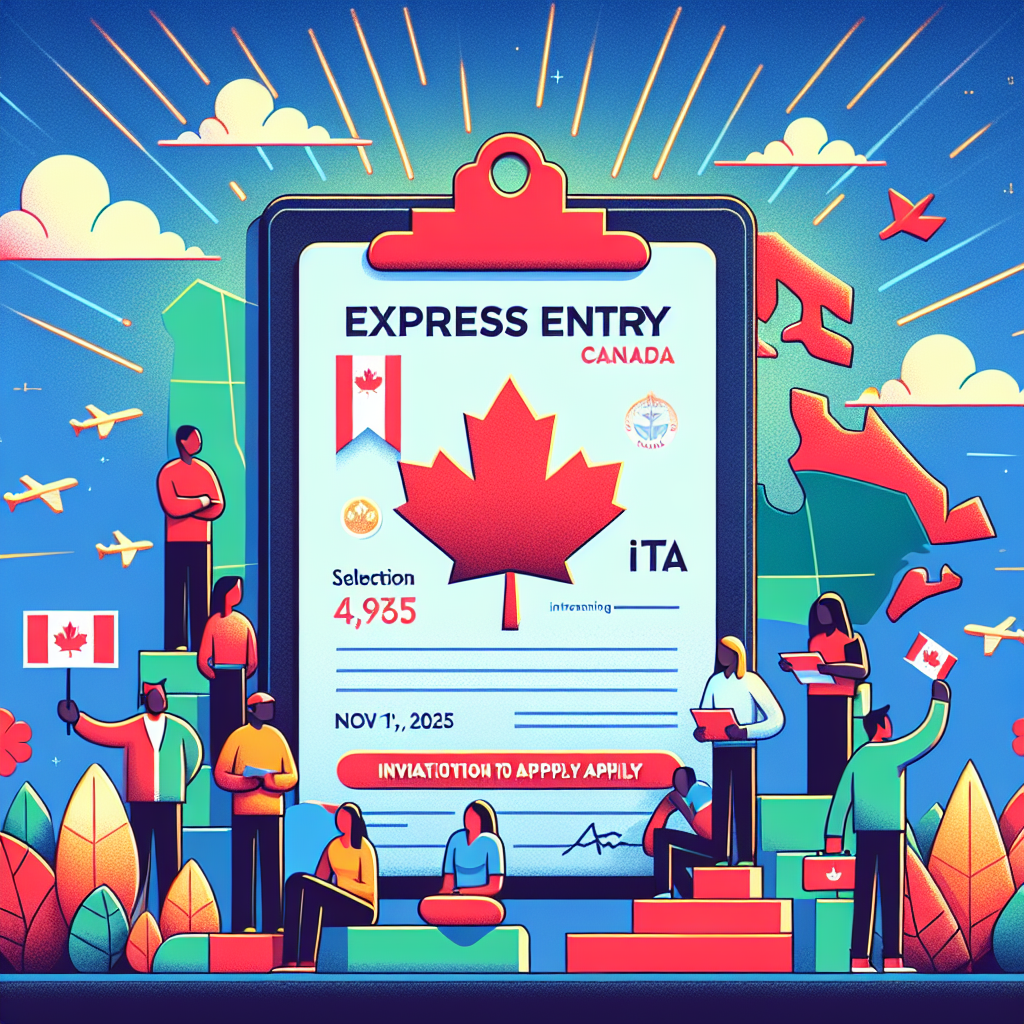

Big News for Immigrants: Largest Express Entry PNP Draw in Over Six Months

If you’ve been thinking about immigrating to Canada through the Express Entry system, there’s some exciting news you’ll want to hear. In November 2025, Immigration, Refugees and Citizenship Canada (IRCC) held its biggest Provincial Nominee Program (PNP) draw in over six months. This is a major development that could open doors for many hopeful newcomers.

So, what does this all mean, and how might it impact you and others looking to become Canadian permanent residents? Let’s break it down.

Understanding Express Entry and the PNP

Before we dive into the latest draw, it’s important to understand how Express Entry and the PNP work together. Canada uses a system called Express Entry to manage immigration applications for three programs:

  • Federal Skilled Worker Program
  • Federal Skilled Trades Program
  • Canadian Experience Class

The Provincial Nominee Program (PNP) allows provinces and territories in Canada to nominate individuals who want to settle in a particular province. If someone gets a provincial nomination, they receive an extra 600 points in the Comprehensive Ranking System (CRS). That’s a huge boost and pretty much guarantees you’ll get an invitation to apply (ITA) for permanent residence.

Details from the November PNP Draw

On November 20, 2025, IRCC sent out 1,548 invitations to apply — the highest number since May of this year. But here’s the catch: this draw was targeted specifically at candidates with a provincial nomination.

The minimum CRS score for this draw was 723, which may sound high, but remember, those who are nominated already have 600 bonus points. That means even if your base score was just 123, the nomination would’ve pushed you over the line.

IRCC used the tie-breaking rule for candidates who submitted their profiles before July 4, 2023, at 12:36 PM EST. This rule helps prioritize early applicants when multiple people end up with the same CRS score.

What This Means for You

So, how should you interpret this if you’re in the Express Entry pool or considering joining it? Here’s the bottom line: now might be a great time to increase your chances through a provincial nomination.

A draw of this size shows Canada is serious about attracting skilled workers who align with local labor needs. Provinces are often looking for candidates with specific job experience, language skills, or education that matches their economic demands.

If you meet those criteria, applying for a PNP might be your golden ticket.

Why the Focus on PNP Draws?

You might be wondering why IRCC is leaning into these PNP-focused draws. The truth is, Canada wants to ensure that immigration supports its regions in smart, strategic ways. By allowing provinces to play a bigger role in selecting newcomers, regional economies get the talent they truly need.

With labor shortages in various sectors — from healthcare to skilled trades — provincial governments can tailor their immigration streams to fill those gaps more effectively than a broad federal program might.

Recent Express Entry Trends

While this PNP draw is making headlines, it’s part of a larger pattern we’re seeing from IRCC. Throughout 2023 and 2024, Canada introduced new category-based Express Entry draws. These focus on specific skills or industries rather than just overall CRS scores.

Here are some of the categories IRCC has been prioritizing:

  • Healthcare workers
  • STEM (Science, Technology, Engineering, Math) professionals
  • Trade occupations (like carpenters, plumbers, and welders)
  • French-language proficiency outside Quebec

The idea is to make immigration smarter—not just about who scores the highest, but who can make the most impact in local economies.

How You Can Take Advantage

Feeling inspired? Here are some practical steps you can take if you’re aiming to land a provincial nomination and boost your Express Entry profile:

  • Research PNP streams: Each province or territory in Canada has its own streams, and the requirements can vary a lot. For example, Alberta might prioritize tech workers, while Nova Scotia could be looking for nurses.
  • Keep your Express Entry profile updated: Make sure your job experience, education, and language test scores are current. An outdated profile could hurt your chances.
  • Improve your CRS score: Even without a nomination, small boosts can help. You might retake a language test or get your foreign credentials reassessed.
  • Follow immigration news: Policies and trends shift regularly. Knowing when categories open or draws happen can give you an edge.

This isn’t one of those “set it and forget it” processes. Being proactive makes all the difference.

Looking Ahead to 2025 and Beyond

Canada’s immigration strategy is evolving. With a growing population and labor market needs, the government is focusing on smart, targeted immigration. Provincial Nominee Programs are becoming key players in this plan.

If the November draw was any indication, we might see even more large-scale PNP draws in the coming months. That’s good news for folks who may not have the highest CRS scores but still bring valuable skills to the table.

Final Thoughts

The recent Express Entry PNP draw is a big step in Canada’s ongoing efforts to bring in skilled newcomers who can help the country grow. Whether you’re deep into your immigration journey or just starting out, staying informed and flexible is your best strategy.

Think of Express Entry like a wide highway with a few different off-ramps. The PNP is one of the fastest exits toward permanent residency — but you’ve got to know how and when to take it.

So ask yourself: Does your profile match what provinces need? If so, this might be your chance to make Canada your new home.

Manitoba Rolls Out a Fresh Round of Invitations for Skilled Workers

Looking to start a new chapter in Canada? If you have skills and experience that are in demand, Manitoba might be calling your name. In early November 2025, the province held a new immigration draw where it sent out invitations to skilled workers who can help fill labor gaps and contribute to the region’s growing economy.

Manitoba is one of the most immigration-friendly provinces in Canada, offering steady draws and opportunities for workers from various backgrounds. And if you’re wondering how this affects you, read on—this could be the opportunity you’ve been waiting for.

What Happened in the Latest Immigration Draw?

On November 2, 2025, the Manitoba Provincial Nominee Program (MPNP) invited a total of 400 candidates through its Skilled Worker streams.

Here’s a quick summary of the draw:

  • Skilled Workers in Manitoba stream: 204 invitations issued, with a minimum score of 798.
  • International Education stream: 131 invitations sent out to candidates who studied in Manitoba and now qualify to work there.
  • Skilled Workers Overseas stream: 65 invitations, with a minimum score requirement of 708.

Out of all 400 issued invitations, 60 were given to individuals who showed they had a valid Express Entry profile and a job seeker validation code—something that can boost your chances.

What Is the Manitoba PNP and Why Should You Care?

You might be asking, “What’s the big deal about the Manitoba Provincial Nominee Program?”

Great question. The MPNP is one of Canada’s many immigration pathways, allowing provinces to hand-pick candidates who meet specific labor market needs. Think of it as Manitoba’s way of building its workforce with people like you—skilled, ready, and willing to contribute.

The program is designed to speed up the immigration process for those deemed a good fit for the province’s economy. Once nominated, you can apply for permanent residence through Immigration, Refugees and Citizenship Canada (IRCC).

Breaking Down the Streams

Let’s untangle these immigration streams so you know which one fits your situation best.

1. Skilled Workers in Manitoba

This stream is meant for people already working in Manitoba with some form of temporary status—maybe you’re on a work permit, or you’re part of a school-to-work program. If you have a solid job offer and are settling well, this could be your fast track to permanent residency.

2. International Education Stream

Graduated from a school in Manitoba? You’re in luck. This stream supports recent graduates who’ve studied in the province and now want to stick around and work.

The cool part? You don’t always need a full year of work experience. Even a job offer from an eligible employer can make the difference.

3. Skilled Workers Overseas

Don’t live in Manitoba yet but have career experience that matches its labor needs? This stream is aimed at skilled foreign workers who can bring their expertise to the province, especially if they have family or previous educational or work ties to Manitoba.

And if you’ve already created an Express Entry profile, that’s even better—Manitoba sometimes taps into that pool for eligible candidates.

What Is the Express Entry Tie-In?

If you’ve explored Canadian immigration, you’ve probably heard about Express Entry. It’s an online system that manages applications for three federal programs: Federal Skilled Worker, Federal Skilled Trades, and the Canadian Experience Class.

Now, when Manitoba selects candidates from Express Entry through its PNP, it means good news for you. A provincial nomination automatically gets you 600 additional points in the Comprehensive Ranking System (CRS). That basically skyrockets your chances of getting an invitation to apply for permanent residence.

So, if you’re planning to move to Manitoba—or anywhere else in Canada—consider creating an Express Entry profile as part of your strategy.

Why Manitoba Wants Skilled Workers

You might be wondering, “Why is Manitoba actively inviting people?”

The answer is simple: Manitoba needs people to fill jobs, support the economy, and grow its communities. The province has seen steady growth in agriculture, manufacturing, healthcare, and information technology. But there aren’t always enough people with the right skills.

That’s where immigration comes in. By attracting skilled professionals from around the world, Manitoba helps solve labor shortages while becoming a richer, more diverse place to live. It’s a win-win.

Is It Hard to Get Invited?

Getting invited can feel like winning the lottery—but thankfully, it’s not quite that random.

Here are a few ways to increase your chances:

  • Create a strong Express Entry profile with accurate information and a high CRS score.
  • Make sure your education and work credentials are assessed and recognized in Canada.
  • Build ties to Manitoba—through work, family, or education.
  • Stay informed about which occupations are in high demand in the province.

Think of it like setting up a dating profile for the perfect match—Manitoba is looking for qualified individuals, and you’re showcasing your best self. The more aligned you are with what the province needs, the higher your chances of getting noticed.

What’s Next If You Get Invited?

So, let’s say you receive that golden Letter of Advice to Apply (LAA). What next?

Here’s a simplified path:

  • You submit a full application to the Manitoba PNP within 60 days.
  • If approved, you receive a provincial nomination.
  • Use that nomination to apply through the federal immigration process.
  • With that 600-point boost, your Express Entry profile jumps in rank, making it very likely you’ll be invited to apply for permanent residency.

The whole process can take several months, so patience—and preparation—is key.

Final Thoughts: Why Now Is a Great Time to Consider Manitoba

Whether you’re already in Canada or looking to move from abroad, Manitoba could be your gateway to a better future. This latest immigration draw shows that the province continues to welcome skilled talent with open arms.

And with regular draws and a variety of streams, there’s a good chance one of them matches your experience and goals.

So, ask yourself: Do I have skills that are in demand? Am I ready for a fresh start in a welcoming Canadian province? If the answer’s yes, why not explore the Manitoba Provincial Nominee Program?

It could be the key to your new life in Canada.

Alberta Opens Doors to Over 1,100 Skilled Workers Through Four PNP Draws

If you’ve been dreaming of making Canada your home, Alberta’s latest immigration updates might be just the news you’ve been waiting for. Over four separate Provincial Nominee Program (PNP) draws, Alberta invited more than 1,100 candidates to apply for permanent residency. Whether you’re an international graduate, a worker with a job offer, or someone with ties to the province, this could be a big step toward building your future in Canada.

What Is Alberta’s PNP and Why Does It Matter?

Before we dive into the latest draw details, let’s clear up what the Provincial Nominee Program is all about. Canada allows each province to create its own immigration streams through the PNP. These streams help the provinces select immigrants who are most likely to succeed in their local economies.

Alberta’s version of this program is called the Alberta Advantage Immigration Program (AAIP). It’s designed to bring in newcomers who can fill job shortages and contribute to the province in meaningful ways.

Breaking Down the Four Latest Alberta Draws

Between October 24 and November 9, Alberta conducted four separate draws through the AAIP. Here’s a quick breakdown of what happened:

  • Oct 24: 100 candidates were invited through the Alberta Express Entry stream with a priority on family ties and occupations in demand. The minimum Comprehensive Ranking System (CRS) score required was 300.
  • Oct 26: 130 candidates were picked from the tourism and hospitality sector. These applicants also needed a job offer and had a minimum CRS score of 300.
  • Oct 30: A total of 100 candidates from the construction sector with job offers were invited. Again, a CRS of at least 300 was required.
  • Nov 9: The largest of the four draws saw 873 candidates selected through the Dedicated Healthcare Pathway, which includes Express Entry-linked applicants. They only needed a minimum CRS score of 326.

What does all of this mean? Well, if your work experience or job offer falls into one of these targeted areas, Alberta could be very interested in you.

Spotlight on High-Demand Sectors

Let’s zoom in on the three major sectors Alberta targeted: tourism and hospitality, construction, and healthcare. Each one plays an essential role in the province’s economy—and each needs more workers.

Tourism and Hospitality

Think hotels, restaurants, and attractions. Alberta’s tourism industry is a big deal, especially with world-famous spots like Banff and Jasper drawing millions of visitors each year. Post-COVID, tourism is bouncing back—and businesses need workers to keep up.

If you’ve ever dreamed of working in a lodge by the Rockies, this could be your golden ticket.

Construction

As Alberta’s cities grow, so does the need for new housing and infrastructure. Skilled tradespeople, such as electricians, carpenters, and plumbers, are in high demand.

If you’ve got experience swinging a hammer or reading blueprints, Alberta might be the perfect fit for your skills.

Healthcare

This one hits close to home for many people. Healthcare systems everywhere are stretched thin—and Alberta is no exception. Nurses, doctors, medical technicians, and support staff are all needed to ensure quality care for the province’s growing population.

Have a healthcare background? Alberta is waving you in.

What Is the Alberta Advantage Immigration Program (AAIP)?

You may be wondering how the AAIP actually works. In short, it’s Alberta’s way of choosing students, workers, and professionals who are already in or outside of Canada and helping them settle in the province.

There are several streams under the AAIP, but the recent draws focused mainly on the Alberta Express Entry stream. To qualify, candidates must have an active Express Entry profile. From there, Alberta can select individuals who meet certain criteria such as:

  • Having a job offer from an Alberta employer
  • Working in a high-demand field
  • Having family ties in the province
  • Graduating from an approved Canadian post-secondary institution

What’s neat is how Alberta can tailor its draws based on current economic needs. This flexibility gives immigration hopefuls more targeted opportunities that align with their skills.

CRS Score Thresholds: Why They Matter

You’ve probably seen CRS scores mentioned a lot. But what exactly are they?

The CRS, or Comprehensive Ranking System, is how Canada ranks candidates in the Express Entry pool. You get points based on age, work experience, education, language ability, and other factors. The higher your score, the better your chances of getting an Invitation to Apply (ITA) for permanent residence.

Now here’s the good news: Alberta’s draws often have lower CRS thresholds than federal Express Entry draws. That means candidates with decent—but not top-tier—scores still have a real shot.

So, if you’ve been feeling discouraged by high federal CRS scores, the Alberta route might just be your backdoor into Canada.

How Can You Improve Your Chances?

Thinking of throwing your hat in the ring? Here are a few tips to help boost your chances of catching Alberta’s eye:

  • Improve your CRS score: Study for language tests, get more work experience, or consider additional schooling in Canada.
  • Gain relevant work experience: Alberta is looking for real-world skills, not just degrees.
  • Secure a valid job offer: This is often the most powerful way to stand out—especially in sectors like healthcare or construction.
  • Keep your Express Entry profile updated: Add new skills, certificates, or job history as they happen.

Every little bit helps. You never know—one small tweak could be the difference between a missed opportunity and a life-changing invitation.

Why Alberta Is an Attractive Destination

Apart from the immigration opportunities, why would someone choose Alberta over other provinces?

Well, think lower living costs, stunning natural landscapes, and a strong economy. Whether it’s Calgary’s urban buzz or the calm beauty of mountain towns like Canmore, Alberta offers something for everyone.

Plus, the province’s emphasis on welcoming newcomers makes it easier to find community support, employment help, and government resources tailored to new immigrants.

Ready to Make Alberta Your New Home?

If you’ve been exploring pathways to Canadian permanent residency, Alberta’s most recent draws show the province is serious about inviting skilled individuals who can make a positive impact. Whether you’re a healthcare worker, a builder, or someone with hospitality experience, this could be your chance to plant roots in an exciting and growing part of Canada.

So, what’s stopping you? It might just be time to dust off that Express Entry profile and take a closer look at Alberta’s immigration streams. Who knows—your Canadian dream could be just around the corner.

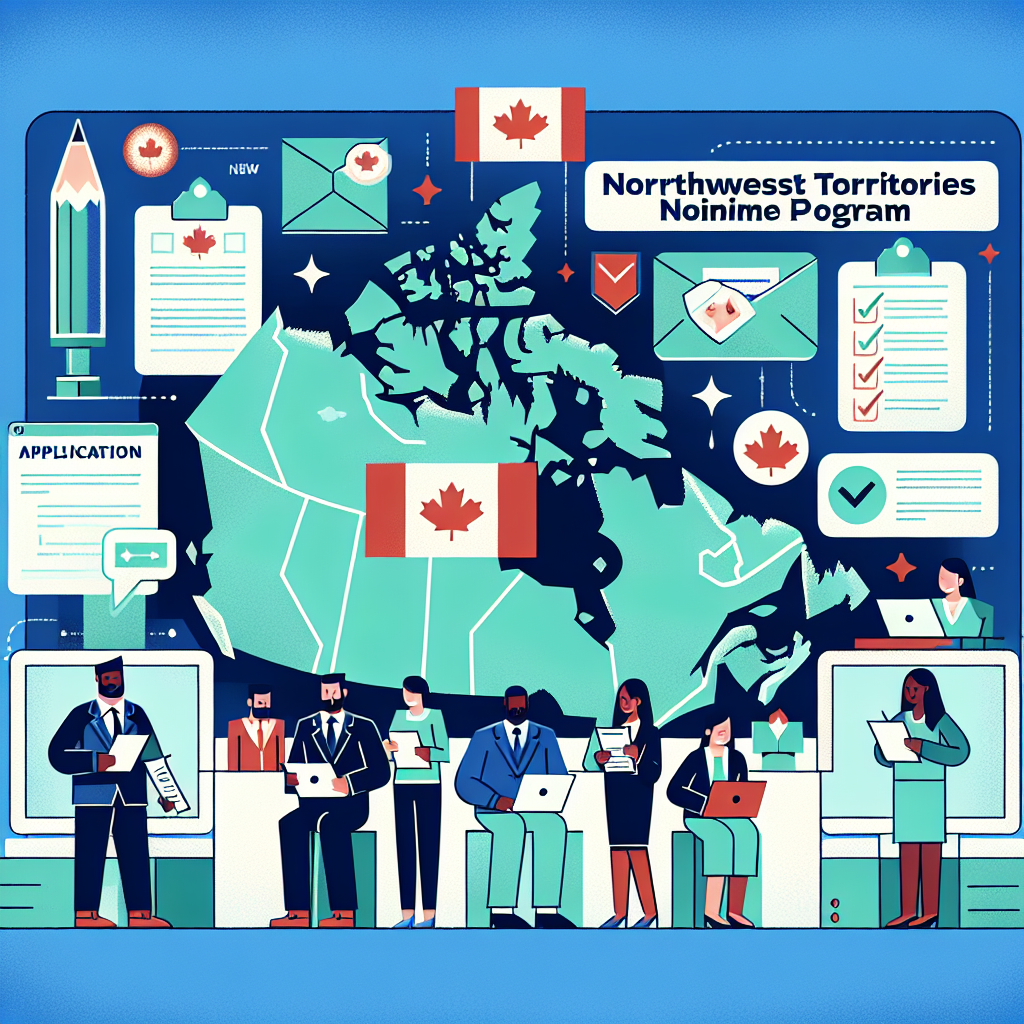
Great News for Workers and Employers: Northwest Territories Nominee Program Reopens

If you’ve been thinking about building a future in Canada’s stunning Northwest Territories (NWT), there’s good news: the Northwest Territories Nominee Program (NTNP) is opening its third application intake this year. And this time, there are a few important changes you should know about.

The NTNP provides a pathway for skilled workers and business owners to gain permanent residency in the NWT. With its growing economy and strong demand for labor in several sectors, the region is keen to attract the right talent—and this latest intake round might be your best opportunity yet.

What Is the NTNP and Why Should You Care?

Put simply, the NTNP is a provincial nominee program run by the Government of the Northwest Territories in partnership with Immigration, Refugees and Citizenship Canada (IRCC). It allows the territory to nominate individuals for Canadian permanent residence based on local economic needs and job market gaps.

So, if you’re a foreign national with the skills and experience the NWT is looking for, this could be your chance to land a job and settle in a place full of opportunity—and adventure. And if you’re an employer in the region, the program gives you access to a wider pool of qualified workers to fill your labor shortages.

Important Changes to Know About This Intake

This third round of intake isn’t just another reopening—it comes with revised eligibility criteria that aim to improve the program for both applicants and employers. The updates apply specifically to the NTNP’s Employer-Driven streams, which include:

  • Entry Level/Semi-Skilled Occupations
  • Skilled Worker Occupations

The revised criteria are meant to streamline the process while prioritizing those who are most likely to integrate and succeed in life and work in the NWT.

New Limits, Better Fairness

One major change is the cap on the number of applications an employer can submit. This limit depends on the size of the employer’s business:

  • Small employers with fewer than 50 employees can submit up to two applications.
  • Larger employers with 51 or more employees may submit up to four applications.

This helps ensure that more employers, not just larger ones, have a fair chance to bring in global talent and support their workforce.

What Do Applicants Need to Qualify?

Wondering if you qualify for this third intake? The requirements are now a bit clearer and more structured. Here’s a breakdown of what foreign nationals need to apply:

  • Full-time, permanent job offer from an eligible NWT employer.
  • At least six months of work experience with the same employer in the same position before applying.
  • Affordability check to show you can financially support yourself and your family in the NWT.
  • Valid work permit at the time of application.
  • Proof of past education or training related to the job role.

These criteria are designed not just to ensure that applicants meet job requirements but also that they’re well prepared to thrive in the territory’s unique environment.

Supporting Local Economies and Communities

Why all the changes? According to the Government of the Northwest Territories, this intake and the updated criteria are part of a broader strategy to support long-term retention of foreign workers in local communities.

It’s not just about filling jobs. It’s about helping people build lives—and helping communities grow stronger. By setting experience requirements and placing limits on application volumes, the government hopes to better match employer needs with realistic employment outcomes.

Why the Northwest Territories?

You might be asking: “Why would I want to move somewhere so far north?” That’s a fair question. But the answer may surprise you.

The NWT offers a lifestyle that combines natural beauty, outdoor adventure, and close-knit communities—not to mention stable employment in sectors such as mining, construction, hospitality, healthcare, and transportation.

Plus, for many newcomers, the smaller population and slower pace of life make it easier to settle in and feel a sense of belonging.

Tips for a Successful Application

Want to improve your chances of being nominated? Here are a few tips to keep in mind:

  • Work with a registered NWT employer who understands the NTNP process and is willing to support your application.
  • Stay in good standing with immigration rules. A valid work permit is a must and helps show that you are already integrated into Canadian systems.
  • Gather proof of your experience with the employer—letters, pay stubs, contracts. These documents matter.
  • Be transparent and accurate in your application. Mistakes or missing information can cause delays or rejections.

And most importantly, don’t rush it. Take your time to ensure everything is in order before submission. Remember, quality beats speed every time.

When Does the Intake Open?

The third application window is scheduled to open on November 14 at 9:00 a.m. MST, and it will stay open until December 2 at 5:00 p.m. MST. That’s a narrow window—just under three weeks—so applicants and employers need to prepare as early as possible.

A Bright Future in the Far North

For newcomers looking to begin their Canadian journey and employers in the Northwest Territories hoping to stabilize their workforce, this intake isn’t just a policy update—it’s an opportunity.

With fairer rules, more streamlined processes, and a focus on long-term success, the NTNP is making a real investment in the territory’s future—and it’s inviting you to be a part of it.

If you’ve ever considered making a move to Canada and want to contribute to a thriving, growing community, now might be the perfect time to take that leap.

Still Have Questions?

Curious if your job qualifies? Wondering how to show six months of work experience? Reach out to a local immigration consultant or visit the official NTNP website to find detailed instructions and checklists.

As immigration policies continue to evolve, staying informed is key. Follow updates from trusted sources, and you’ll be one step closer to turning your Canadian dreams into reality.

Canada’s immigration system is always evolving, and workers hoping to find job opportunities in Quebec just hit a new speed bump. If you’ve been keeping an eye on temporary work permits, especially under the Temporary Foreign Worker Program (TFWP), you might want to pay attention to this recent change. Quebec has once again extended its freeze on processing certain work permit applications—specifically those in the low-wage stream.

If you’re wondering what all this means or how it could affect you, you’re not alone. Let’s break it down so it’s easier to understand.

What’s Happening with Quebec’s TFWP Applications?

As of November 8, 2025, Quebec continues to block the federal government from processing Labour Market Impact Assessments (LMIAs) for the low-wage stream of the TFWP. This freeze has been in place since late July and now, it’s been extended further without an immediate end date in sight.

What’s an LMIA, you ask? Great question. An LMIA is a document employers in Canada need to get approved by the government to hire a foreign worker. It’s basically the government saying, “Yes, this employer really does need someone from outside the country because there’s no one here to do the job.”

Why the Freeze?

Quebec’s Minister of Labour, Jean Boulet, has said the temporary suspension is meant to give Quebec a chance to “review and improve” the way the program works. In simpler terms, the province wants to make sure the program is running smoothly and that both foreign workers and Quebec residents are treated fairly.

Another big reason? Quebec is emphasizing the need to protect workers from exploitation and abuse. There have been past reports of unfair treatment and unsafe working conditions, especially in low-wage jobs like agriculture, manufacturing, and service industries.

By putting a pause on the program, Quebec hopes to reorganize and ensure stronger worker protections and better oversight for employers.

Who Is Affected by This Decision?

Unfortunately, a lot of people are feeling the impact:

  • Employers: Businesses that rely on international workers for low-wage roles are struggling to find enough staff. This is especially true in sectors like food processing, hospitality, and construction.
  • Foreign Workers: People hoping to work in Quebec under the TFWP’s low-wage stream now face uncertainty. These workers often take jobs that are crucial to keeping industries running.
  • Quebec Economy: Labor shortages are already a concern, and freezing access to foreign labor adds even more pressure.

One small bakery owner in Laval shared recently how hard it’s been to keep operations going. “We just don’t have enough hands on deck,” they said. “We were counting on a few temporary workers to join our team this fall. Now, we’re stuck.”

What Is Exempt from the Freeze?

Luckily, not every part of the TFWP is affected. If you’ve already submitted a complete LMIA application before July 27, 2025—good news! That application will still be processed as usual. Also:

  • High-wage applications under the TFWP are not affected.
  • Certain in-home caregiver programs continue to be processed.
  • Jobs listed under the Global Talent Stream, which targets high-demand skills, are still being considered.

Confused about the difference between high-wage and low-wage streams? Don’t worry—it’s basically based on the average wage in a province. If a job pays more than that average, it’s considered high-wage. If it pays less, it’s low-wage.

What About Other Immigration Streams?

Some people have asked whether this means Quebec is against immigration. That’s not the case at all. In fact, the province supports bringing in foreign workers—but wants to do it in a way that ensures worker rights and job quality.

Quebec still supports its unique immigration pathways, and permanent immigration programs remain active. The province is simply taking a pause to re-evaluate a portion of the temporary foreign worker system that has raised red flags in recent months.

Could This Happen in Other Provinces?

So far, this specific freeze is unique to Quebec. However, labor rights activists and government officials in other provinces are watching closely. If Quebec sees improvements in worker treatment and program management, we might see similar reviews pop up elsewhere in Canada.

It brings up a bigger question: How do we balance the need for labor with the need to protect vulnerable workers?

What Should Employers and Workers Do Next?

If you’re an employer in Quebec who was planning to hire someone under the low-wage TFWP stream, you’ll need to explore other hiring options for now. This might mean:

  • Focusing more on local recruitment
  • Looking into Quebec’s provincial immigration programs
  • Exploring the high-wage stream or Global Talent Stream (if applicable)

As for workers hoping to come to Quebec, this news can be disheartening. However, it’s not the end of the road. You might want to explore other parts of Canada, other immigration streams, or stay updated in case Quebec lifts the freeze in the coming months.

Final Thoughts: What’s Next for Quebec’s TFWP?

Quebec’s decision to extend the freeze on low-wage TFWP applications may be frustrating in the short term, but it could lead to better working conditions and more fairness in the system. While no official date has been set to reopen applications, the government says it’s committed to improving the program.

In the meantime, keeping informed is key. Whether you’re an employer, job seeker, or just someone following Canada’s immigration policies, it’s important to monitor updates closely. Immigration programs like the TFWP are a vital part of Canada’s workforce strategy—and they’re likely to keep changing as we move into 2026 and beyond.

Think you might be affected? It’s a good idea to speak to an immigration consultant or legal advisor who can guide you based on your specific situation. And of course—stay tuned for further updates as Quebec continues to refine its approach to hiring foreign workers.

Quebec Sets New French Language Requirements for Foreign Workers

Thinking about working in Quebec? There’s an important change you should know about. As of November 2024, Quebec is now requiring many foreign workers to prove they can speak French. This new rule could affect a lot of people applying for jobs in the province.

So, what does this mean if you’re planning to move to Quebec for work? Let’s break it down in simple terms.

What’s Changing, and Who Does It Affect?

Starting in November 2024, Quebec has updated its immigration and hiring standards. Any employer hiring temporary foreign workers under programs managed by the Quebec government now has to make sure those workers can speak French.

This applies mainly to people coming into Quebec on something called the Temporary Foreign Worker Program (TFWP). If you’re applying for a high-skilled job listed on Quebec’s labour shortage list—or what the province calls the “List of Occupations Eligible for Simplified Processing”—then the new French language rule could apply to you.

How Fluent Do You Need to Be?

The government isn’t asking for perfect, native-level French. But they do want workers to be able to do things like:

  • Hold a basic conversation in French
  • Understand instructions on the job
  • Read and respond to simple documents

The expectation is that you’d be able to function in the workplace, even if you aren’t fluent.

Why Is Quebec Doing This?

You might be wondering why now. The answer ties back to Quebec’s goal of protecting and promoting the French language.

French isn’t just the main language spoken in Quebec—it’s also a central part of its identity and culture. Over the years, the Quebec government has expressed concern that French is being used less and less, especially in the workplace. This new requirement is an effort to safeguard the French-speaking environment, not just in daily life, but also on the job.

In fact, the update aligns with Quebec’s wider efforts under its French language charter, known as Bill 96. This law puts more emphasis on strengthening the presence of French in business, education, and immigration.

What Does This Mean for Employers?

For employers in Quebec, this change adds one more task during the hiring process. If they want to hire a foreign worker for a job that falls under the simplified processing list, they now have to show that the employee speaks French.

That doesn’t necessarily mean employers need to give a formal test, but they should be able to prove that their worker can speak and understand French to a reasonable degree. That might mean:

  • Asking for previous French language training records
  • Conducting part of the interview in French
  • Getting a language ability certificate, like a TEF (Test d’Évaluation de Français)

Employers also need to explain how the worker will use French in their role—even if it’s just in team meetings or reading safety instructions.

Are There Any Exceptions?

Yes, some jobs and situations may be exempt from the new rule. At the moment, the government hasn’t published a full list of exceptions, but typically:

  • Jobs that are very short-term or seasonal may not be included
  • Positions where French isn’t required to do the job safely or correctly might qualify for an exemption

However, these would be handled case by case, and employers would still need to justify why French isn’t needed.

How Can Workers Prepare?

If you’re a foreign worker thinking about applying for jobs in Quebec, it’s a great idea to start brushing up on your French skills now. Even a little French can go a long way, and it shows you’re committed to fitting in and contributing to Quebec’s culture.

Here are a few tips to get started:

  • Use language apps like Duolingo or Babbel for daily practice
  • Watch French TV shows or listen to French podcasts
  • Enroll in a beginner course at your local language school
  • Find a language partner to practice speaking

Learning a new language can feel overwhelming, but remember—no one expects perfection. It’s all about being able to communicate and integrate into everyday life in Quebec.

How Could This Impact Immigration to Quebec?

This move could change the way people look at Quebec when choosing where to live and work in Canada.

For some, it might be a great opportunity to live in a place that values language, culture, and diversity. But for others, this new language policy might be a barrier—especially if their French skills aren’t strong yet.

It’s also worth noting that this change only applies in Quebec. Other provinces don’t require foreign workers to speak French, although English is the main language you’ll need elsewhere in Canada.

Still, for those willing to learn, this new requirement might actually make you more competitive in the job market. Bilingual employees are always in high demand, especially in a bilingual country like Canada.

Final Thoughts: Is This Good or Bad for Foreign Workers?

There’s no simple answer here. On one hand, language requirements can feel like yet another hoop to jump through. For someone ready to work and contribute, having to learn a new language might seem like a big ask.

On the other hand, learning French opens doors—both socially and professionally. It helps workers feel more at home. It also ensures that Quebec’s strong, unique French-speaking culture continues to thrive.

If you’re serious about building a future in Quebec, learning French could be one of the smartest moves you make.

Want to work in Quebec? Start learning French today. Not only will it help with job options, but it’s also a great way to connect with your future neighbors, friends, and co-workers.

More Resources to Help You

Here are some places to get more info on Quebec’s French requirements and how to improve your language skills:

Thinking about heading to Quebec? Now’s the time to start preparing—not just your resume, but your French skills too.

Bon courage!

Quebec has just made a big announcement that could affect thousands of people hoping to make the province their permanent home. Starting later this year, immigration programs that offer a pathway to permanent residency (PR) for temporary foreign workers and international student graduates in Quebec will be shutting down. Let’s unpack what that means and how it could impact those currently studying or working in the province.

What’s Changing in Quebec Immigration?

Quebec is planning to revoke two popular immigration programs:

  • The Quebec Experience Program (PEQ) for international students
  • The PEQ for temporary foreign workers

These programs have long helped both students and workers transition from temporary to permanent status in the province. But according to the Quebec government, things are about to shift significantly. The changes are expected to take effect starting November 23, 2024, pending public consultations and final approvals.

Why Is Quebec Making These Changes?

The province says it wants to focus more on candidates who already speak French at an advanced level. In fact, Quebec’s immigration minister, Christine Fréchette, made it clear: future permanent residents must already be proficient in French before arriving in the province. The goal? To protect and strengthen the French language and culture.

It’s no secret that the French language has been at the heart of many political conversations in Quebec. The government believes that immigrants should be able to integrate quickly by speaking French fluently, not learning it over time while living in the province.

What Does This Mean for Temporary Foreign Workers?

Up until now, many temporary foreign workers in Quebec could apply for PR if they met certain job and language criteria. For example, workers needed at least 24 months of full-time work experience in eligible occupations and some level of French proficiency. That door may now be closing.

Come November 2024, these individuals may no longer have a Quebec-specific pathway to PR unless they already meet advanced French language standards upon application. For many hardworking individuals, this could feel like the rug is being pulled out from under them. You build a life someplace, work hard, and hope to stay—only to find the rules changing mid-way through your journey.

Impacts on International Student Graduates

This shift will also hit international student graduates hard. Quebec has been a popular choice for students from around the world—thanks to its education opportunities and previously accessible PR programs.

Currently, students who graduate from a recognized post-secondary institution in Quebec can apply for a PR through PEQ if they complete a qualifying program, gain work experience, and meet the French language criteria.

But under the new plan, these students may lose their direct access to a PR pathway, unless they already speak advanced French when applying. That change could make Quebec a much less appealing destination for international students, who often see studying in Canada as a stepping stone to permanent residency.

Are Any Exceptions Being Made?

There will be some grace periods. If you’ve already submitted your application for these programs before the cut-off date, your application will still be processed under the old rules. And if you’re close to completing a qualifying program, you might still get in under the wire—but you need to act fast.

Quebec is also looking to introduce a new PEQ stream, but only for temporary foreign workers in certain priority sectors, like health care and construction. However, even in these new streams, strong French skills will still be a requirement.

What Are People Saying?

Unsurprisingly, there’s been a strong reaction to the announcement. Many businesses, labor groups, and immigrant advocates are concerned about the long-term effects. Employers who rely on foreign workers may struggle to retain talent if people have no path to settle long-term. And students may start looking toward other provinces that offer more welcoming immigration programs.

Opponents of the changes argue that Quebec’s economy greatly benefits from skilled immigrant workers and international students. Removing their PR options could discourage people from coming, or push them to leave Quebec once their permits expire.

A Shift in Immigration Strategy

This move is part of Quebec’s broader immigration strategy, aimed at putting more emphasis on the French language and selecting people who are already well-prepared to integrate into Quebec society.

According to the province, this isn’t about reducing immigration overall—but about reshaping it to better reflect Quebec’s unique cultural identity. They want to see more immigrants arrive already speaking French, rather than offering chances to learn it later.

What Should You Do Now?

If you’re a temporary worker or international student in Quebec hoping to apply for PR, now is the time to assess your options.

  • Check if you qualify under the current PEQ rules and apply before the changes kick in.
  • If your French skills are not at an advanced level, consider taking intensive language classes right away.
  • Review other immigration programs—either federal or in other provinces—that might better suit your situation.

It also helps to talk to a qualified immigration consultant or lawyer who can guide you based on your personal circumstances. Choosing where to build your life is a big decision, and the rules are changing fast.

What About Other Provinces?

If Quebec no longer fits into your immigration plans, don’t worry—Canada is still very welcoming in other parts of the country. Provinces like Ontario, British Columbia, and Alberta offer their own provincial nominee programs (PNPs), many of which are tailored to international graduates and skilled workers.

Some of these programs don’t require advanced French, and you may have more flexibility when it comes to work experience and education. It may not be your original Plan A, but Plan B could still offer great opportunities.

Final Thoughts

If you’ve been working or studying in Quebec, this news might feel disheartening. It’s tough when the rules change just as you’re settling in. But remember, immigration is always evolving, and new doors often open as others close.

Like any big decision, it’s important to stay informed, plan ahead, and explore all your options. Quebec may be shifting its priorities, but Canada remains a land of opportunity. Whether you choose to adapt your plans or head in a new direction, your chance to build a new life here isn’t over—it’s just changing course.

Great News for Grad Students: Canada Eases Study Permit Rules

Thinking about studying in Canada for your master’s or PhD? You’re not alone. Every year, thousands of students from all over the world choose Canada as their study destination. And now, it just got a whole lot easier—especially if you’re heading there for graduate school.

In a recent move to attract top academic talent, Immigration, Refugees and Citizenship Canada (IRCC) has announced some major changes. If you’re a graduate student applying to a master’s or doctoral program, these changes are definitely in your favor.

Graduate Students No Longer Affected by the Study Permit Cap

Earlier in 2024, Canada introduced a national cap on the number of study permits to manage the growing number of international students. This decision caused a lot of concern, especially for students planning to study at the post-secondary level.

But here’s the good news—graduate students are now exempt from this cap.

So, what does that really mean? If you’re applying to a master’s or PhD program, your study permit application won’t count toward the national or provincial limit. That’s a big relief for anyone worried that the new policy might block their academic dreams in Canada.

Why Make This Change?

According to IRCC, these changes are meant to help Canada attract highly skilled individuals who can contribute to the country’s innovation and economy. Graduate students often stay in Canada after finishing their degrees, many going on to secure work permits or even permanent residency. In short, Canada wants to keep the best and brightest around.

Faster Processing for PhD Students

That’s not all. If you’re applying for a doctoral program in Canada, there’s more good news—you’ll benefit from two-week processing for your study permit application. Yes, just 14 days!

This speed-up can be a game-changer for students facing tight admissions deadlines or who just want to get started on their journey without months of waiting. Faster processing allows you to focus on what really matters—your studies and your future career.

How Does This Help?

Picture this—you’ve been accepted into a top Canadian university for your PhD, and you’re pumped to start your research. But permit delays could throw off your entire timeline. Now, with two-week processing, you have one less thing to stress about. Your path is clear and the process is smoother.

Time is critical for doctoral students who might have research deadlines, funding arrangements, or important collaborations lined up. This fast-tracked processing gives you the flexibility to plan with confidence.

Which Schools Are Included?

To benefit from the exemption and faster processing, you need to be accepted into a recognized post-secondary institution. Many of Canada’s top research universities and colleges fall into this category.

This includes institutions like:

  • University of Toronto
  • McGill University
  • University of British Columbia
  • University of Alberta
  • McMaster University
  • Dalhousie University

If you’re unsure whether your future school is recognized, check the Designated Learning Institutions (DLI) list provided by IRCC to confirm.

Planning to Work After Graduation?

Another major reason why students choose Canada is the Post-Graduation Work Permit (PGWP). This allows you to work in Canada after finishing your studies, giving you valuable experience and time to plan for your future.

Here’s the best part: your eligibility for a PGWP isn’t affected by these new caps either. If you study in a master’s or PhD program at a designated institution, you’re still good to go.

So yes—you can still chase that Canadian dream after graduation, whether that means working in your field, gaining professional connections, or applying for permanent residency down the road.

What About Undergraduate Students?

If you’re planning to study at the undergraduate level, these exemptions don’t apply unfortunately. Study permits for bachelor’s programs and short-term diploma or certificate courses are still subject to the national cap.

However, don’t lose hope. Canada continues to welcome a high number of undergraduate international students every year. The process may require a bit more planning, but it’s definitely still within reach.

When Do These Changes Take Effect?

The exemption for graduate students and the fast-track for PhD applicants are already in effect. That means if you’re applying for an upcoming semester, you can start taking advantage of these benefits right away.

What Should You Do Now?

Here are a few tips to help you get started:

  • Apply early to graduate programs to secure your spot.
  • Double-check that your chosen school is a Designated Learning Institution (DLI).
  • Gather all necessary documents for your study permit application—things like acceptance letters, proofs of funds, and valid ID.
  • If you’re a doctoral candidate, make sure you note the fast-tracked processing option when submitting your application.

If you’re unsure where to begin, consider working with an immigration consultant or speaking directly to your chosen university’s admissions office. They often have resources tailored for international applicants.

Why This Matters

For many, studying in Canada isn’t just about getting a degree. It’s about starting a new chapter of life—exploring new cultures, building a career, and maybe even putting down some roots in a country known for its diversity and opportunities.

These changes from IRCC signal that Canada is still very much open to international talent, especially those ready to contribute through higher education and research.

Final Thoughts

If you’ve been hesitating to apply to graduate programs in Canada because of recent talk around study permit limits, now is your moment. With the exemption from the national cap and faster processing for PhD students, Canada is rolling out the welcome mat for the world’s future thinkers and innovators.

Are you ready to take the next step? Your academic adventure in Canada might be closer than you think.

Canada Takes a Big Step Toward Expanding Citizenship Eligibility

Canada may soon make it easier for more people to become Canadian citizens. A new amendment to the Citizenship Act just cleared a significant legal hurdle, bringing the country closer to changing who qualifies for citizenship.

But what does this really mean for everyday people? And why is this change so important? Let’s break it down in simple terms.

Right now, Canadian citizenship is mainly passed down through birth in Canada, or through parents who were born here or became naturalized citizens. But many Canadians raised concerns that the current rules are too restrictive, especially for children born outside the country to Canadian parents.

What’s Changing in the Citizenship Act?

The Canadian government is looking to expand what’s known as “citizenship by descent.” In other words, it wants to give more individuals who were born abroad the chance to be recognized as Canadian citizens, even if their parent was also born outside of Canada.

Under existing law, a child born outside Canada to a parent who was also born abroad usually doesn’t automatically get Canadian citizenship. This rule is called the “first-generation limit.” But the new legislation—Bill C-71—aims to extend Canadian citizenship to those second-generation individuals in certain conditions.

So, how will it work? If passed into law, this amendment would:

  • Restore citizenship to people who lost it under outdated or narrow rules.
  • Give children born abroad to Canadian parents the chance to gain citizenship—if there’s a real connection to Canada.

This change isn’t about an open door for everyone. It’s about fairness and keeping families connected across generations and borders.

Why This Matters to So Many Families

Imagine this: A Canadian couple moves abroad for work and has a child. That child grows up abroad, and years later, they have a child of their own. As it stands now, their child might not qualify for Canadian citizenship, even though both a parent and grandparent held it.

That can feel frustrating and unfair. After all, many of these families still feel strongly connected to Canada. They might celebrate Canada Day, teach their children about Canadian values, and even plan to return someday.

This law change tries to reflect that global reality. Families move. Lives cross borders. But citizenship shouldn’t be something easily lost just because of where someone was born.

Bill C-71—Passed in the Senate

Here’s some good news: Bill C-71 has passed through the Senate, which is a major milestone. The bill was introduced earlier this year by Immigration, Refugees and Citizenship Minister Marc Miller. It’s still not law yet—but it’s getting close.

Next, the bill goes back to the House of Commons for the next round of discussions and approval. If everything goes smoothly, it could officially become law in 2025.

That’s a big deal for Canadians living abroad who have kids or grandkids. If you’re in that group, this might mean your family is newly eligible for citizenship. And that opens up opportunities for travel, education, work, and more in Canada.

What Is “Substantial Connection” to Canada?

One important part of the new proposal is the need to show a “substantial connection” to Canada. But what does that actually mean?

Details are still being worked out, but the government wants to make sure there’s a real link between the applicant and Canada. This could include things like:

  • Having Canadian-resident family members
  • Previous time spent living or working in Canada
  • Knowledge of Canadian laws, culture, and language

Think of it like this—citizenship isn’t just a passport. It’s a shared identity. And the proposed rules are trying to balance keeping that identity meaningful while recognizing the changes in how Canadians live their lives around the world.

Restoring Citizenship to “Lost Canadians”

There’s another group that would benefit from this bill—so-called “Lost Canadians.” These are individuals who thought they were citizens or should have been, but lost or were denied citizenship because of outdated laws.

Some were born before certain rules were introduced. Others lost citizenship because of gendered or discriminatory policies that existed in the past. For example, children born to Canadian women who married non-Canadian men sometimes faced unfair restrictions. Bill C-71 aims to fix that.

In one example, a person could trace their Canadian roots back to a grandparent who served in World War II—but under the current rules, they wouldn’t qualify. The new legislation could open the door for such people, making things right after decades of legal limbo.

What Does This Mean for You?

You might be asking—how does this affect me and my family?

If you or someone you know has a parent or grandparent who’s Canadian but you were born abroad, this bill could be your path to citizenship. It means you may soon have the right to apply and officially become part of the Canadian family—if you meet the criteria.

It also sends a message about Canadian values: inclusion, fairness, and a belief that being Canadian isn’t just about where you’re born, but how you connect to the country and its people.

Next Steps and What to Watch For

So, when will this all happen?

It’s not final yet. While the Senate has passed the bill, it still needs approval from the House of Commons. After that, the government will finalize the details, including how people can apply and what the process will look like.

In the meantime, you can:

  • Follow updates from Immigration, Refugees and Citizenship Canada (IRCC)
  • Check your eligibility based on your Canadian family history
  • Talk to a qualified immigration consultant or legal expert

Changes like these don’t happen overnight. But the wheels are turning—and many people are feeling hopeful about what’s to come.

A More Inclusive Canada

Canada’s story has always been about diversity, movement, and global connections. With more Canadians living abroad than ever, it only makes sense to adjust our laws to reflect that reality.

This isn’t just a legal change—it’s a cultural one. It recognizes that being Canadian can cross oceans and generations. As this bill progresses, it could bring home—not physically, but in spirit—so many who have always felt Canadian at heart.

Whether you’re living overseas with Canadian roots, or just interested in immigration news, it’s a great time to stay informed. Citizenship is more than a status—it’s a bond. Canada is now working on making that bond stronger than ever.

Stay tuned for updates, and if you’re impacted by this potential change, it might be a life-changing moment on the horizon.

×